
Why Tree Topping Harms Trees in Asheville

November 23, 2026

Share this article

Tree topping is the indiscriminate removal of large branches or a tree’s crown to reduce height or spread. In Asheville, tree topping harms long-term health by forcing weak regrowth, exposing wood to decay, and increasing branch-failure risk. Proper pruning removes specific branches while preserving the tree’s natural structure and energy reserves.

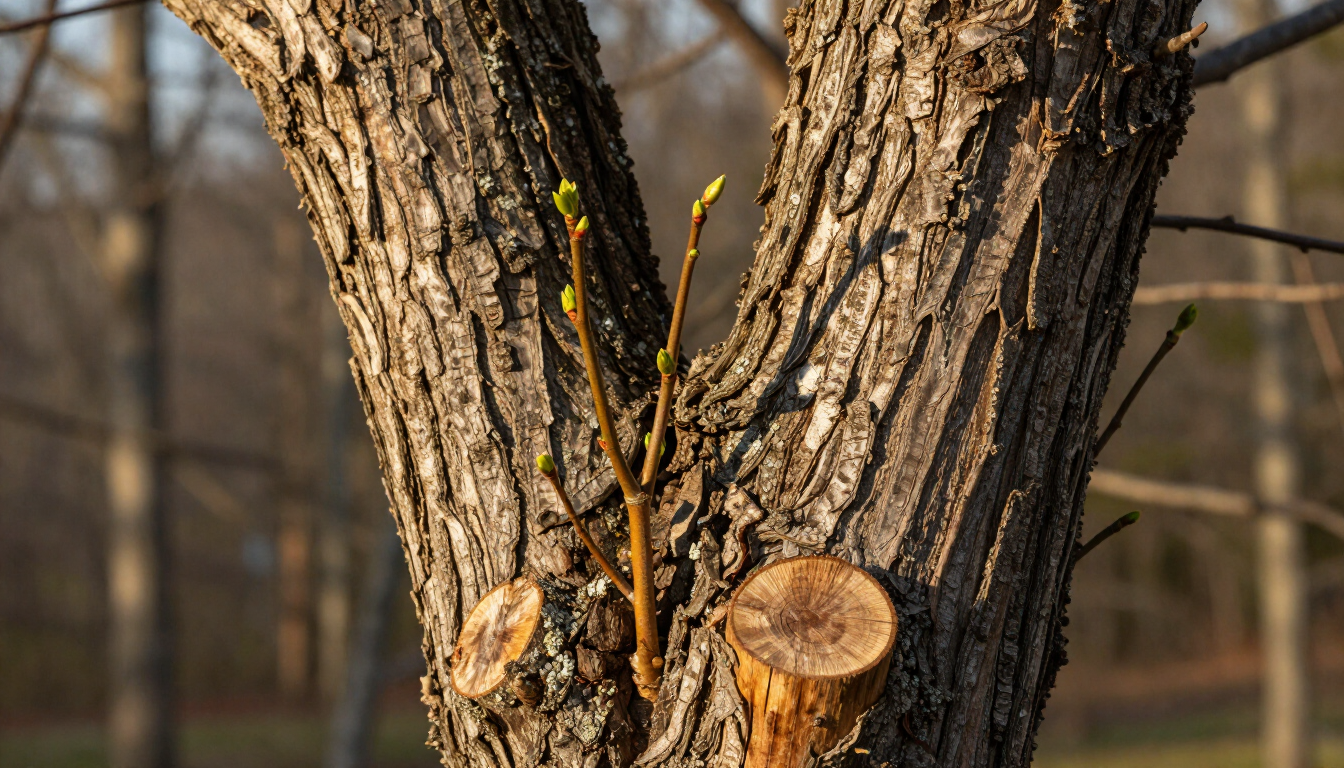
Tree topping damage and weak regrowth on an Asheville tree

Why does tree topping harm a tree?

Tree topping removes too much live canopy at once. A healthy tree depends on its leaves to produce energy, regulate temperature, move water, and defend itself. When major limbs are cut back to stubs, the tree loses much of its functional leaf area and must spend stored energy producing emergency shoots.

Those shoots are not equivalent to naturally formed branches. They usually grow rapidly from dormant buds near the cut, with weak attachments and narrow angles. The result may look leafy for a season or two, but the new growth is structurally unreliable and often requires repeated cutting.

Topping can also:

  • Expose bark and branches to sunscald, especially after sudden canopy loss.
  • Create large wounds that close slowly or never seal completely.
  • Increase stress during drought, heat, pests, and disease pressure.
  • Remove natural branch structure that helps distribute wind and weight.
  • Make future pruning more expensive and technically difficult.

What happens after a tree is topped?

Weak regrowth

A topped tree often responds with numerous fast-growing sprouts. Because these shoots develop from shallow connections beneath the bark, they can detach in wind, ice, or heavy rain. Asheville’s steep terrain, storms, and mature residential trees make poor attachment especially important to consider.

The shoots also compete with one another. Instead of a few well-spaced branches, the tree develops a crowded cluster of growth. That congestion creates rubbing limbs, included bark, and uneven weight distribution.

Decay and larger wounds

Large topping cuts provide entry points for fungi and decay organisms. A tree cannot “heal” a wound by restoring the removed wood; it compartmentalizes damage and grows new tissue around it. The larger the cut, the more difficult that process becomes.

Decay may remain hidden inside the trunk or major limbs for years. By the time mushrooms, cavities, cracks, or visibly declining foliage appear, structural strength may already be compromised. A tree risk assessment can help identify concerns before they become an emergency.

Higher failure risk

Topping may temporarily reduce a tree’s height, but it does not create dependable long-term clearance. New shoots can grow several feet in a season, often becoming top-heavy and poorly attached. As the crown returns, the tree may be taller in risk rather than healthier in form.

For trees near homes, driveways, play areas, utility lines, or public spaces, that added risk matters. Removing a hazardous limb later can be more disruptive than addressing the structure correctly at the beginning.

Is tree topping ever a good pruning method?

In most residential situations, no. The term “topping” generally describes indiscriminate cuts that shorten branches to stubs or reduce the crown without regard to branch structure. It is not the same as carefully reducing a tree’s size through selected reduction cuts.

There are unusual circumstances involving storm damage, utility conflicts, or a severely compromised tree where substantial removal may be necessary. Even then, a qualified arborist should determine the safest approach. If a tree cannot be pruned responsibly, tree removal may be more appropriate than repeated topping.

What are better alternatives to tree topping?

Crown cleaning

Crown cleaning removes dead, diseased, broken, or rubbing branches. It improves safety and appearance while preserving the tree’s overall form. It is often the right first step for a mature tree that appears messy but does not need its height reduced.

Crown thinning

Selective thinning reduces density by removing some branches throughout the canopy. The goal is not to strip the tree, but to improve light and air movement while maintaining balanced structure. Over-thinning can also stress a tree, so restraint and species knowledge are essential.

Crown reduction

A proper reduction shortens selected limbs back to suitable lateral branches that are large enough to assume the role of the removed leader. This method requires careful cuts, thoughtful spacing, and an understanding of how the tree will respond.

Reduction is different from heading or topping because it maintains branch architecture. It may be appropriate when a tree has grown too close to a roof, roadway, or utility line, but not every tree tolerates substantial reduction.

Structural pruning

Young trees benefit from early structural pruning that develops a strong central leader or well-spaced scaffold branches. Correcting defects while branches are small creates smaller wounds and can prevent major problems decades later. Tree pruning and trimming experts can help match the approach to the species, age, and site.

What should Asheville homeowners ask before hiring a tree service?

A low price or promise to “cut the tree back” does not reveal whether the work will protect the tree. Before hiring a company, ask:

  1. Are you a certified arborist, and who will evaluate the tree? Ask whether the person making recommendations has current arboricultural credentials and relevant experience.
  2. What specific pruning method do you recommend? Be cautious if the proposal uses vague language such as “top,” “round over,” or “cut it down to a manageable size.”
  3. Where will each major cut be made? A professional should explain branch collars, suitable lateral branches, clearance goals, and the expected response.
  4. How much live canopy will be removed? Excessive removal can damage a tree even when the cuts look clean.
  5. Will you inspect for defects and hazards first? The plan should account for decay, cracks, included bark, lean, root problems, utilities, and targets below.

A written estimate should describe the work, cleanup, access requirements, and any limitations. Make sure the company carries appropriate insurance and uses safe climbing or lifting practices. For complex concerns, consider an independent tree risk assessment before approving major pruning.

How does science-based tree care protect long-term value?

Respectful pruning treats a tree as a living system rather than an obstacle to reshape. The best decision considers species, age, vigor, branch architecture, soil, exposure, nearby structures, and the owner’s goals. Sometimes the right recommendation is light pruning. Sometimes it is cabling, bracing, improved soil care, or removal of a declining tree.

In Western North Carolina, native and landscape trees face heavy rain, wind, compacted soil, construction impacts, and changing seasonal stress. Tree health care can address underlying conditions instead of repeatedly cutting symptoms from the canopy.

If a tree has already been topped, do not automatically top it again. An arborist can evaluate attachment strength, decay, canopy recovery, and target risk, then develop a staged plan. In some cases, selective retrenchment or removal of defective sprouts can improve the structure. In others, removal may be the safest choice.

Key takeaways for homeowners

Tree topping is not a shortcut to healthier or safer trees. It removes essential canopy, encourages weakly attached regrowth, creates large wounds, and can increase decay and failure risk. Better pruning preserves natural branch structure and removes only what is necessary for health, clearance, or safety.

When comparing tree service companies in Asheville, ask who will evaluate the tree, what pruning method they recommend, how much canopy they will remove, and how they will manage hazards. For practical, science-based guidance from an experienced certified arborist, contact Arborsmiths of Asheville at (828) 519-5577 .

Recent Posts

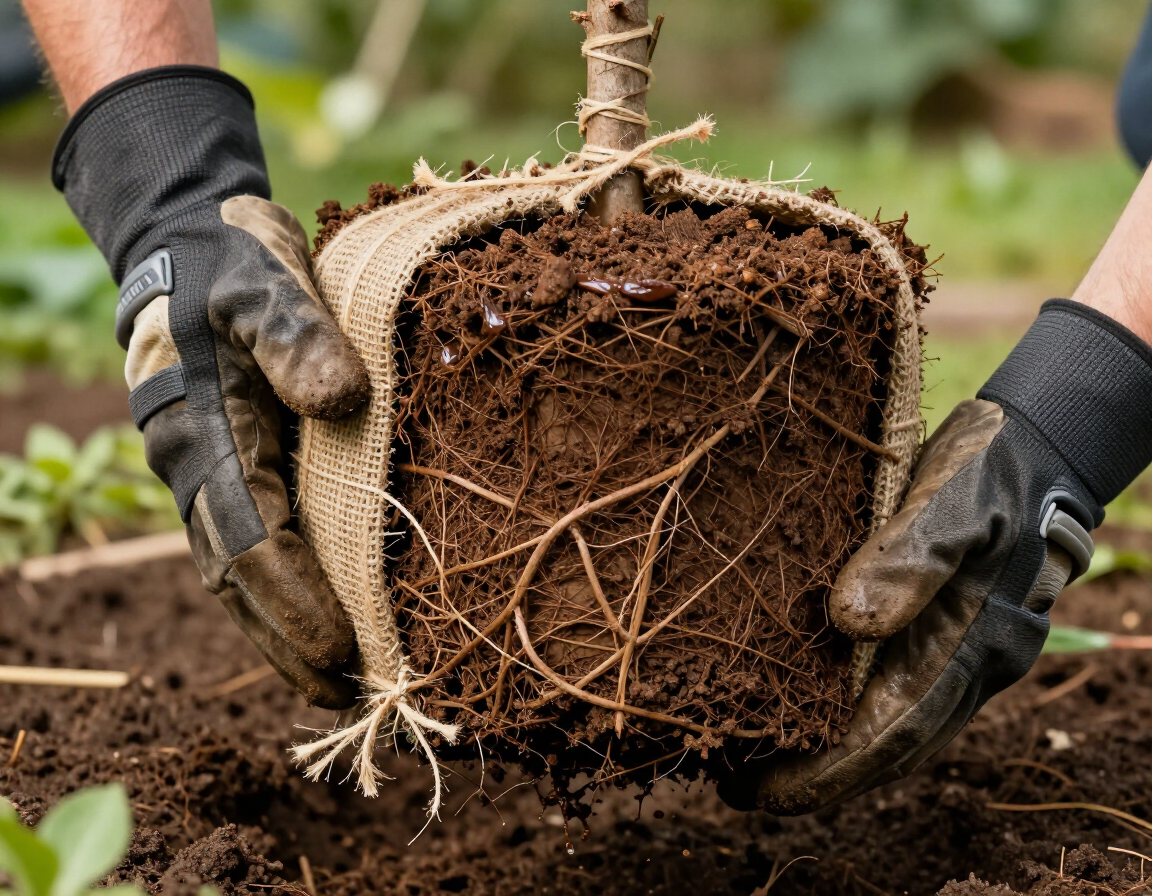
Transplanting trees in Western North Carolina with careful root protection
November 9, 2026
Learn which trees are good candidates for transplanting in Asheville, Black Mountain, and Hendersonville, plus timing, root care, stress signs, and when to plant new.
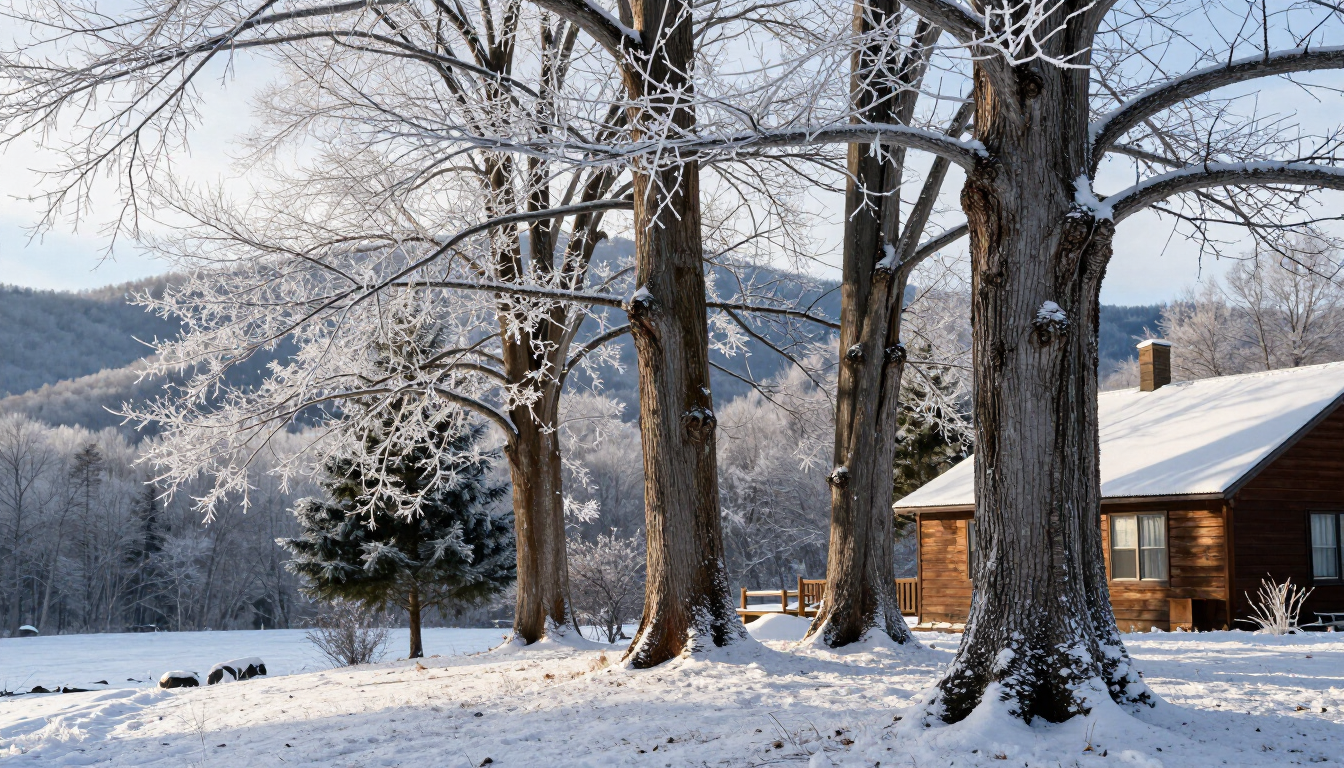
Ice and heavy snow damage trees in Western North Carolina
October 26, 2026
Learn how ice and heavy snow damage trees in Asheville, Waynesville, and Marshall—and how pruning, cabling, and safe storm response can reduce risk.
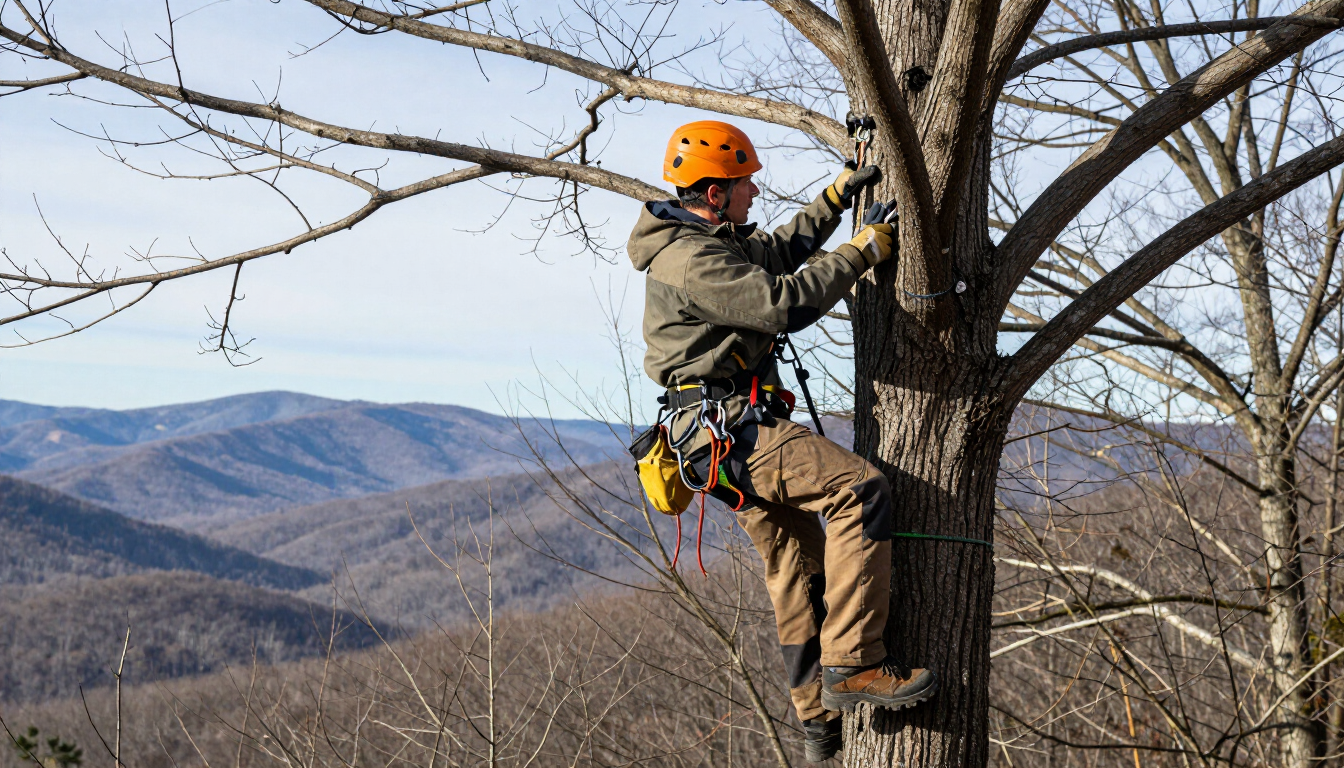
Winter tree pruning in Asheville helps arborists see branch structure and protect tree health.
October 12, 2026
Learn why winter tree pruning can benefit mature trees in Asheville, Fairview, and Arden, including lower stress, clearer structure, and healthier spring growth.
Fall tree planting in Asheville with a newly planted tree
September 29, 2026
Learn why fall is the best time to plant trees in Asheville and Western NC, plus tips for tree selection, planting depth, and first-year watering.
Professional tree inspection at an Asheville construction site
September 14, 2026
Protect your property value. Learn why a pre-construction tree inspection is vital for Asheville homeowners before building or renovating in Western NC.
September 9, 2026
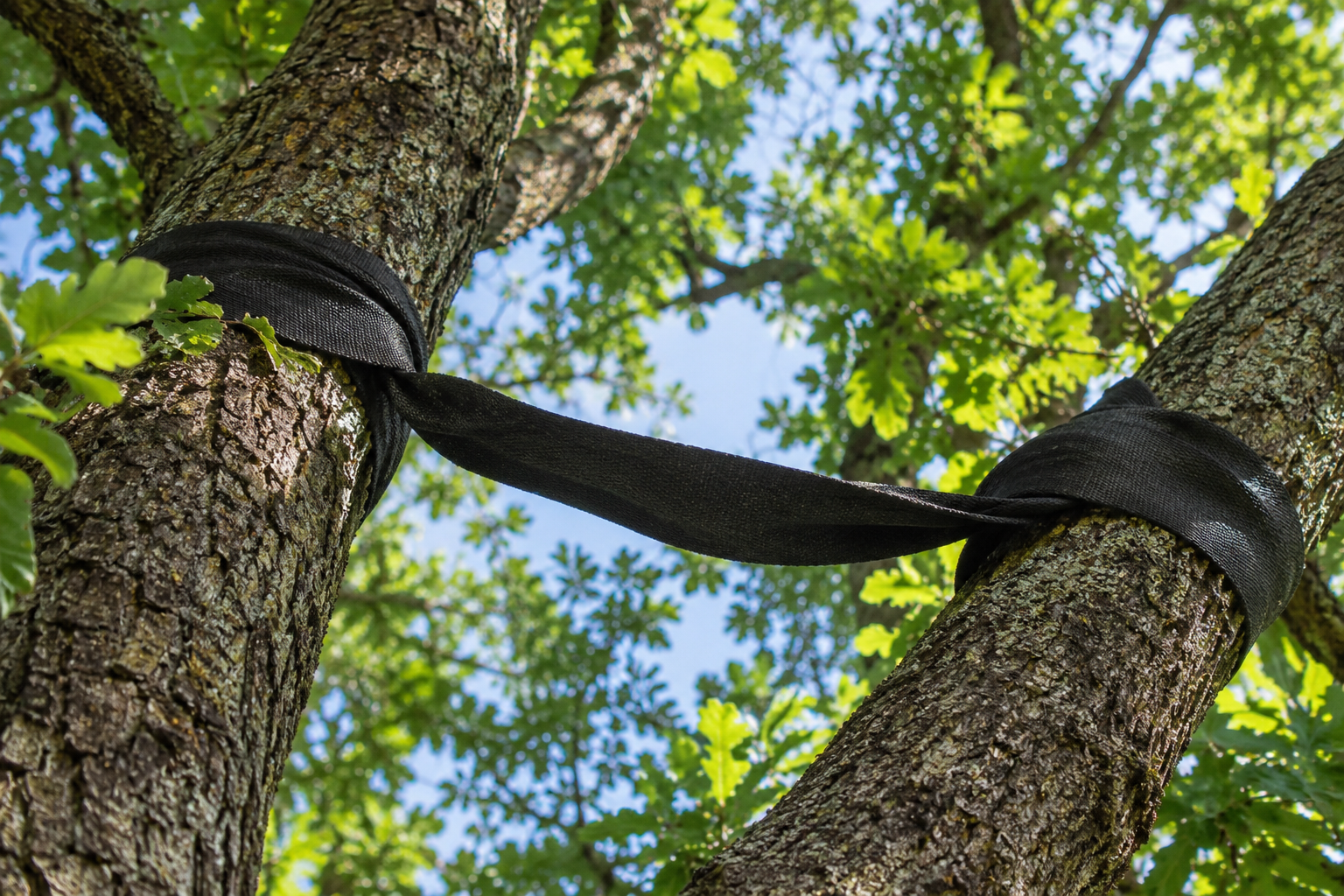
At Arborsmiths Asheville, we practice what we call Relational Tree Care. That means beginning with a simple premise: a tree is not an object we manage. It is a living organism we enter into relationship with. A mature tree is continuously responding to wind, weather, soil, injury, decay, competition, pruning and its own growth. Good arboriculture requires understanding those relationships and intervening in ways that preserve as much of the tree's own biological and structural capacity as possible.
Professional arborist assessing emergency tree damage in Asheville NC
August 31, 2026
Learn what to do after a tree falls on your Asheville property. Follow our safety guide and know when to call an emergency tree service arborist.
A healthy young oak tree planted in an Asheville residential yard.
August 17, 2026
Discover the best trees to plant in Western North Carolina. Our certified arborist shares the top native species that thrive in Asheville's mountain climate and soil.
Healthy trees in Western North Carolina landscape
August 3, 2026
Restore your property's value. Learn how WNC arborists treat soil compaction, nutrient loss, and flooding damage to save your trees in Asheville, Weaverville, and Fairview.
Healthy trees in the Asheville, NC landscape.
July 21, 2026
Learn to identify and treat common tree problems in Asheville, NC, from root rot to storm damage, with expert advice from Arborsmiths.
Show More