5 Common Tree Problems in Asheville & How to Fix Them
Common tree problems in Asheville include root rot from heavy rainfall, pests like the Hemlock Woolly Adelgid, and structural instability due to mountain winds. Fix these by improving soil drainage, applying targeted pest treatments, and hiring a certified arborist for structural pruning and tree risk assessments .
What are the most common tree issues in Western North Carolina?
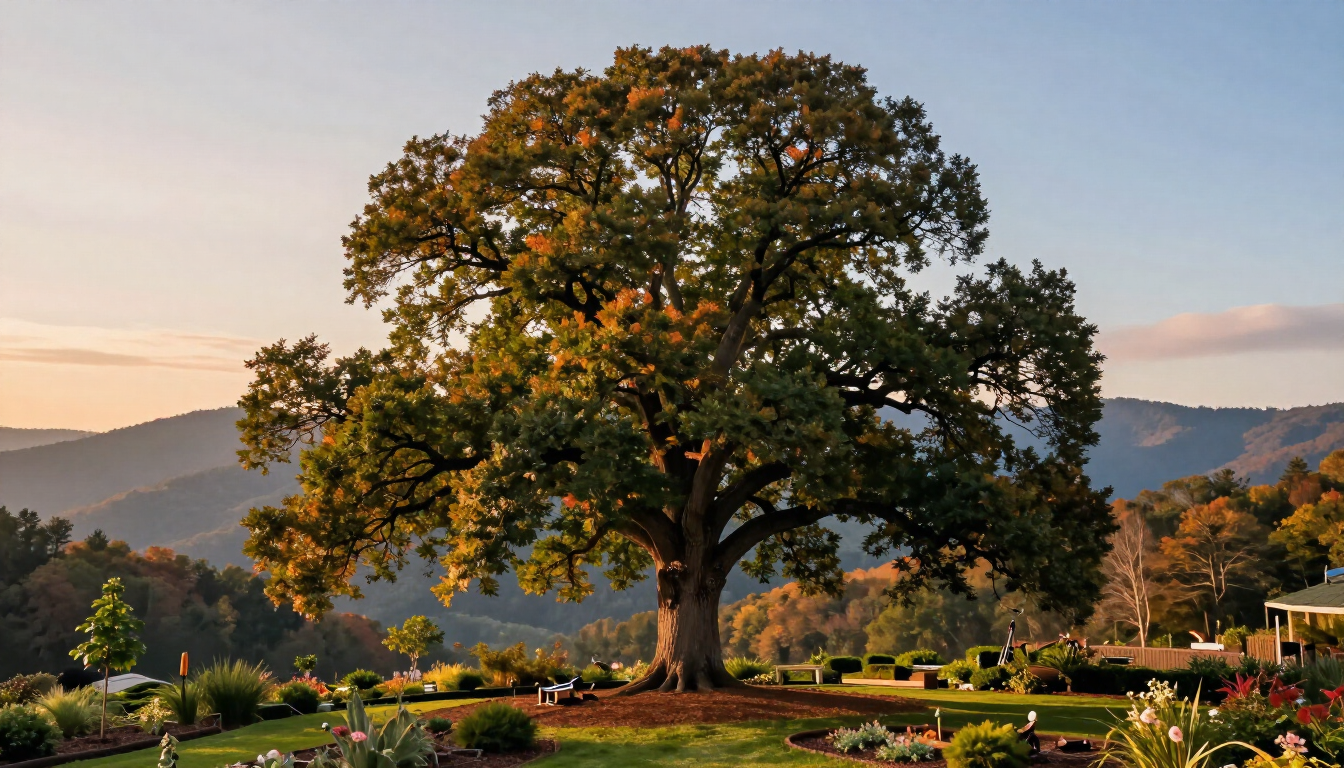
Living in the Blue Ridge Mountains is a dream for many, but the very things that make Asheville, NC so beautiful—the high rainfall, lush humidity, and rolling terrain—also create a unique set of challenges for our local canopy. Homeowners often find themselves dealing with a specific set of common tree problems in Asheville that don’t always show up in flatter, drier parts of the country.
First on the list is excessive soil moisture . Our region gets significant annual rainfall, and when that water doesn’t drain properly, it can lead to Phytophthora root rot. This fungal disease thrives in soggy conditions and can slowly suffocate a tree from the ground up. Because our soil is often heavy in clay, drainage is a frequent hurdle for residential landscapes.
Another major issue is nutrient deficiency . While our forests look green, the soil in developed areas like Arden, NC or Fletcher, NC is often stripped of its natural organic matter during construction. Without the right nutrients, trees become "stressed," making them much more susceptible to secondary problems like insects and drought.
Finally, we have to talk about mechanical damage . Whether it’s from a lawnmower hitting a surface root or a construction crew compacting the soil around an old Oak, physical damage is a leading cause of decline. Once a tree’s bark is wounded, it’s like an open invitation for bacteria and fungi to move in.
How can I tell if my tree is dying or just stressed?
It is a question we hear all the time at Arborsmiths of Asheville. The difference between a tree that needs a little "TLC" and one that is a safety hazard isn't always obvious to the untrained eye. However, there are five key signs that your tree is struggling:
- Early Leaf Drop or Discoloration: If your Maple is turning bright red in August or your Evergreens are dropping needles from the inside out, the tree is likely under stress.
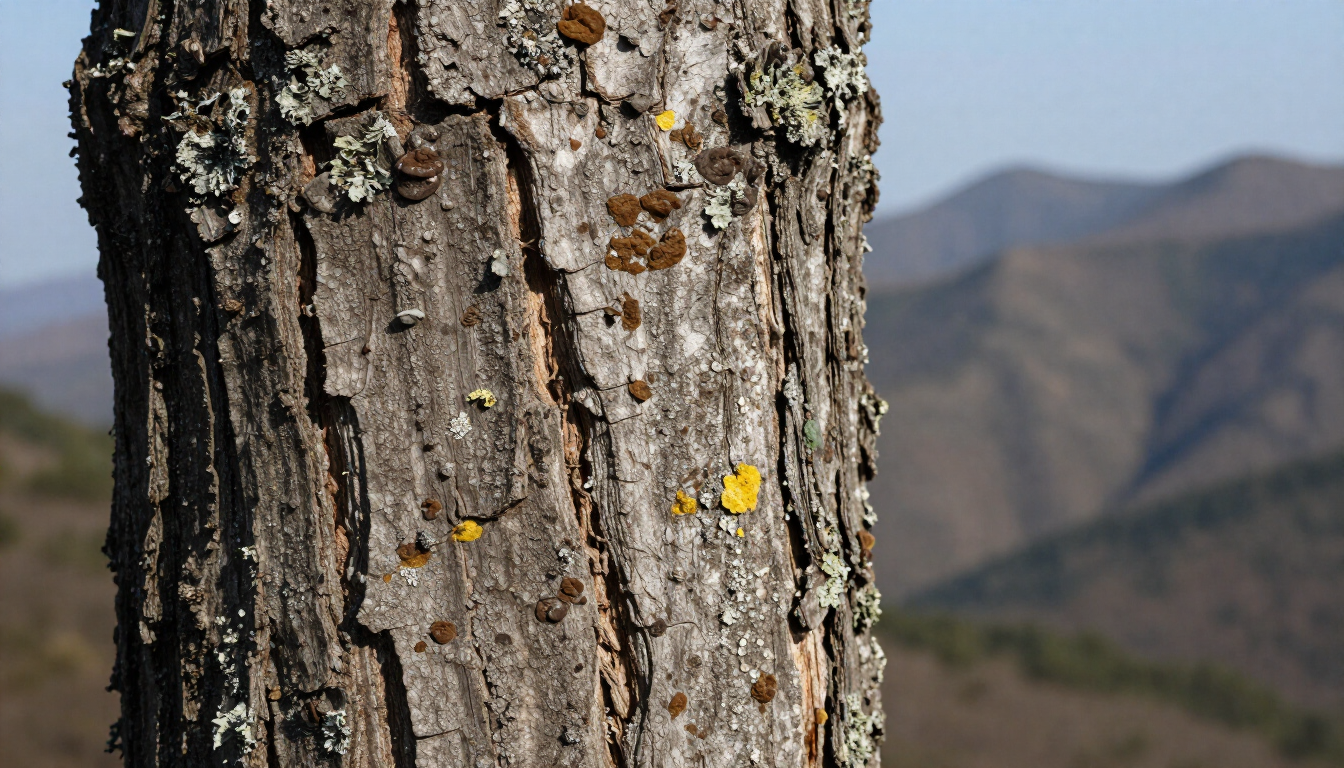
- Cankers and Fungal Brackets: Large mushrooms growing at the base of the trunk or sunken, oozing sores on the bark are signs of internal rot.
- Dieback in the Crown: If the very top branches of your tree are bare while the bottom is full, the tree is failing to transport water and nutrients upward.
- Cracks and Splits: Deep vertical cracks that go through the bark and into the wood indicate structural failure.
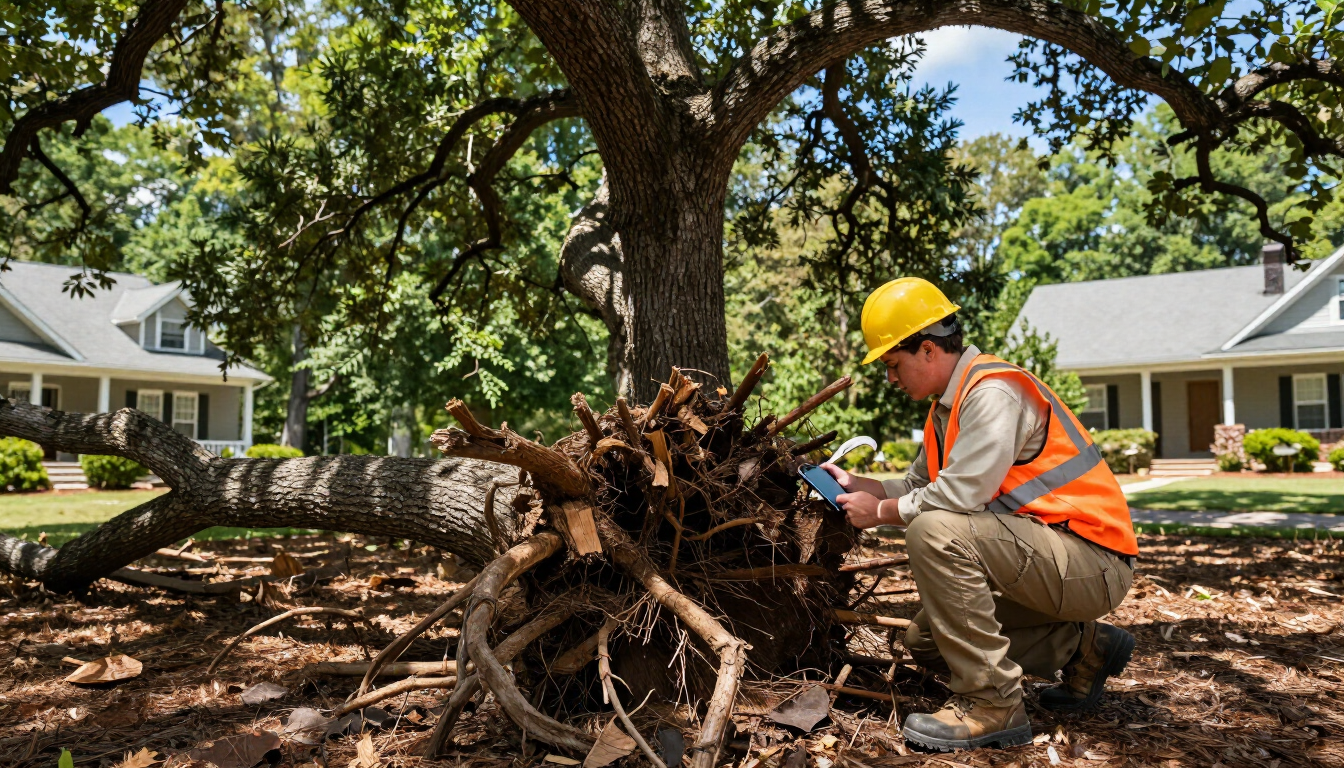
- Leaning and Root Heaving: A tree that suddenly starts to lean, especially if the soil is lifting on the opposite side, is an immediate candidate for emergency tree services .
If you notice these signs, the first step is always an evaluation. Often, what looks like a dying tree can be saved with professional tree health care and proper fertilization. Early intervention is the difference between a simple treatment and an expensive removal.
Identifying Invasive Pests and Local Diseases
Invasive species are a serious threat to the biodiversity of Western North Carolina . Because many of these pests have no natural predators here, they can decimate a healthy tree in just a few seasons. If you have trees on your property, you need to keep an eye out for these specific culprits:
The Hemlock Woolly Adelgid (HWA) If you have Eastern or Carolina Hemlocks, you’ve likely heard of the Adelgid. These tiny, aphid-like insects cover themselves in a white, cottony substance. They attach to the base of the needles and suck the sap, eventually killing the tree. Without treatment, most untreated Hemlocks in Asheville will succumb to this pest.
The Emerald Ash Borer (EAB) This metallic green beetle has been moving through Black Mountain, NC and Weaverville, NC with devastating speed. The larvae tunnel under the bark of Ash trees, cutting off the flow of water. If you see D-shaped exit holes in your Ash tree, it’s time to call an arborist immediately.
Anthracnose and Blight Our humid summers are the perfect breeding ground for leaf diseases like Anthracnose. While it rarely kills a healthy tree, it can cause unsightly spotting and premature leaf drop year after year, eventually weakening the tree's immune system. Proper tree pruning and trimming can increase airflow through the canopy, which is often the best defense against these fungal issues.
Why is structural stability a concern on Asheville’s slopes?
Gravity is always at work in the mountains. For homeowners in areas like Fairview, NC or Waynesville, NC , trees often grow on steep inclines. This creates a phenomenon called "phototropism," where the tree grows toward the light, often resulting in a heavy lean toward the downhill side.
When you combine a heavy lean with our famous mountain wind gusts and saturated soil, you have a recipe for "uprooting." Trees on slopes are also more prone to erosion, which can expose their root systems. Exposed roots are not only trip hazards but are also susceptible to temperature extremes and physical damage.
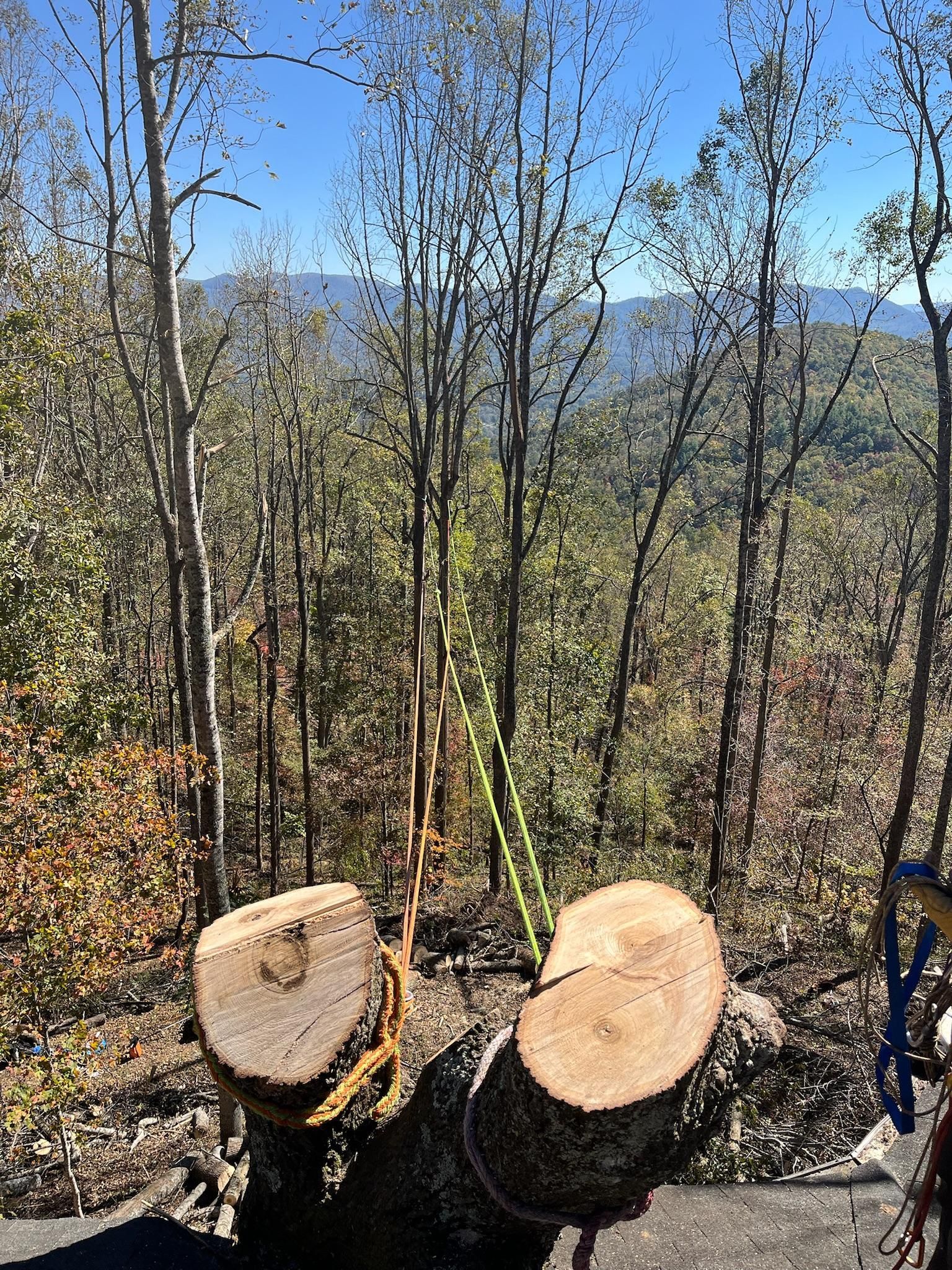
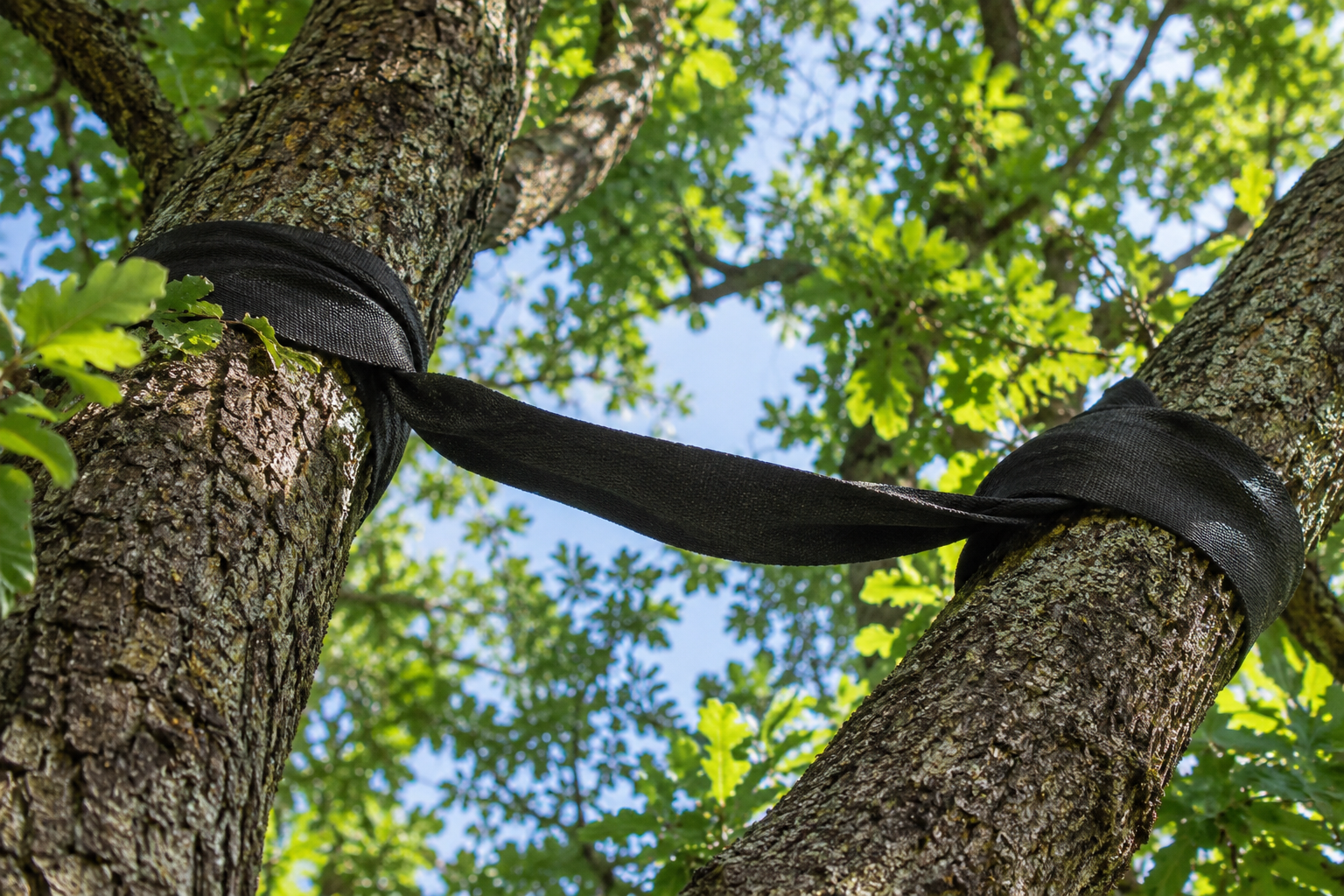
To manage these risks, we often recommend tree cabling and bracing . This process involves installing high-strength cables between major limbs to redistribute the weight and reduce the chance of the tree splitting during a storm. It’s a way to preserve the beauty of a large, mature tree while providing peace of mind for the family living underneath it.
Effective Strategies for Restoring Tree Health
Once common tree problems in Asheville are identified, the focus shifts to restoration. You don't always have to remove a tree just because it’s sick. Here are the most effective ways we help trees bounce back:
- Vertical Mulching and Soil Aeration: For trees in compacted soil, we use specialized tools to create air pockets and introduce high-quality organic matter directly to the root zone.
- Proper Pruning: Removing dead, diseased, or crossing branches allows the tree to focus its energy on healthy growth and improves sunlight penetration.
- Prescription Fertilization: We don't believe in one-size-fits-all fertilizer. We analyze what your specific tree is missing—whether it’s nitrogen, phosphorus, or micronutrients—and apply it directly.
- Growth Regulators: Sometimes, a tree is too big for its space or is struggling to recover. Growth regulators can slow down canopy growth while encouraging the tree to put more energy into its root system.
- Moisture Management: Installing proper mulch rings (but not "mulch volcanoes"!) helps retain moisture during our dry spells while protecting the trunk from mower damage.
By focusing on these proactive measures, we help Asheville homeowners avoid the high costs associated with large-scale tree removal .
When is it time for professional tree removal?
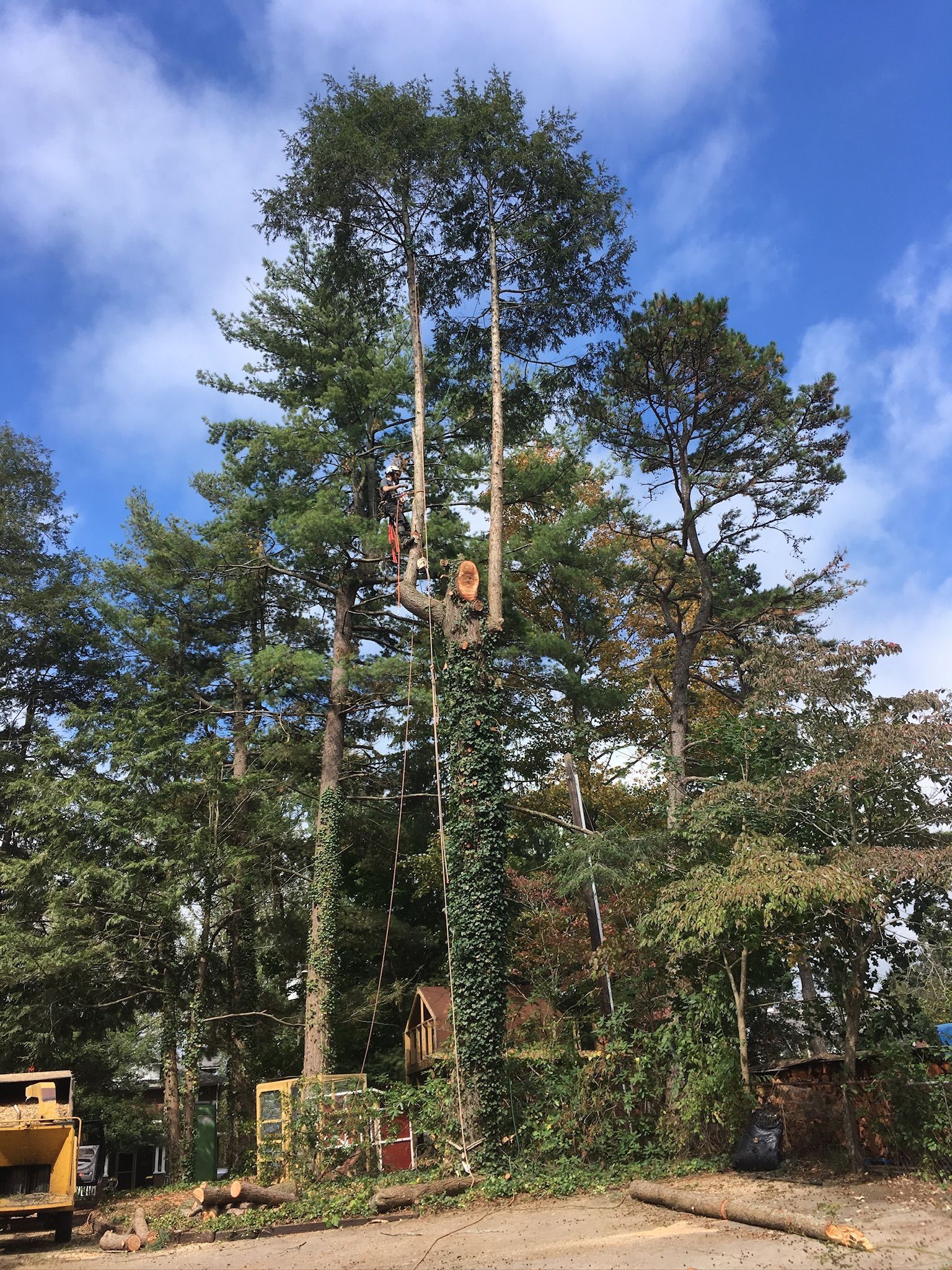
As much as we love preserving trees, there comes a point where a tree becomes a liability rather than an asset. Safety should always be the priority. You should consider removal if:
- The tree has more than 50% crown dieback.
- The trunk is hollow or has significant internal decay.
- The tree is leaning dangerously toward a house, power line, or driveway.
- The roots have been severely damaged by construction or excavation (see our post-construction mitigation services).
If you are planning to build or renovate, it is always best to schedule a pre-construction tree inspection first. Preventing damage is much easier—and cheaper—than trying to fix a dying 100-year-old Oak after the driveway has already been paved over its roots.
Summary: Keeping Your WNC Trees Strong
Maintaining a healthy landscape in Asheville requires a mix of observation and professional expertise. By understanding the common tree problems in Asheville—such as pest pressure from the Hemlock Woolly Adelgid and the structural risks of slope-grown trees—you can take action before a minor issue becomes a major hazard.
Key Takeaways:
- Watch for signs: Early leaf drop and fungal growth are your tree's way of asking for help.
- Manage the soil: Proper drainage and nutrient-rich soil are the foundation of tree health.
- Think ahead: Use cabling and bracing to protect against mountain storms.
- Consult an expert: A certified arborist can provide a tree risk assessment to help you decide between treatment and removal.
Whether you’re in Hendersonville, NC , Marshall, NC , or right here in town, Arborsmiths is here to help your trees thrive. If you’re worried about a tree on your property, don’t wait for the next big storm— contact us today for a professional evaluation.