Tree Health Care WNC: How to Restore Declining Trees
Tree health care in Western North Carolina involves diagnosing and treating stressors like soil compaction, nutrient depletion, and root damage from flooding. Certified arborists restore trees through soil aeration, tailored fertilization, and drainage management to ensure long-term vitality in our unique mountain climate and heavy clay-based soils.
Why is soil compaction killing my Asheville trees?
If you live in Asheville, NC , you know our soil isn't exactly like the potting mix you buy at the garden center. We deal with heavy, red clay that is prone to significant compaction. Soil compaction occurs when the pore spaces between soil particles are compressed, eliminating the air and water channels that roots need to survive. Think of it like trying to breathe through a straw that someone is stepping on—the harder the soil, the less oxygen reaches the root system.
In residential areas, compaction is often the result of construction traffic, frequent lawn mowing, or even just decades of foot traffic. When the soil becomes dense, the roots cannot penetrate it to find water, and gas exchange becomes nearly impossible. This leads to a slow decline in tree health. You might notice smaller leaves, branch dieback at the top of the canopy, or a tree that simply looks "tired."
At Arborsmiths of Asheville, we frequently see trees that were perfectly healthy until a home renovation or a new driveway was installed. The heavy machinery used in these projects exerts thousands of pounds of pressure, crushing the delicate feeder roots located in the upper 12 to 18 inches of soil. Without professional Tree Health Care , these trees often enter a "stress spiral" from which they cannot recover on their own. Restoring the soil structure is the first step in giving these mountain giants a second chance.
How does nutrient loss affect mountain landscapes?
Western North Carolina is famous for its lush greenery, but that doesn't mean the soil is always rich in the specific nutrients trees need to thrive in a suburban setting. In a natural forest, leaves and organic matter fall to the ground, decompose, and recycle nutrients back into the earth. In our managed landscapes in Fairview, NC or Weaverville, NC , we often blow away leaves and bag grass clippings, breaking that natural cycle.
This leads to significant nutrient loss over time. Without that organic "recharge," the soil becomes depleted of essential elements like nitrogen, phosphorus, and potassium, as well as micronutrients like iron and manganese. Trees growing in nutrient-poor soil are more susceptible to:
- Secondary pests and wood-boring insects
- Fungal pathogens and leaf spot diseases
- Reduced growth rates and stunted development
- Poor fall color and early leaf drop
- Increased vulnerability to storm damage due to weak wood
When we perform a Tree Risk Assessment , we aren't just looking at the branches; we are looking at the overall vitality. Often, a tree that looks structurally sound is actually struggling because it lacks the chemical fuel to maintain its natural defenses. Our approach involves custom soil amendments that mimic the forest floor, providing a slow-release source of energy that supports the tree throughout the growing season.
Can trees recover from severe flooding damage?
Flooding is a major concern for property owners across Western North Carolina, especially in low-lying areas near the French Broad River or in steep terrain where runoff collects. When a tree's root system is submerged for an extended period, it literally drowns. The water displaces all the oxygen in the soil, leading to anaerobic conditions that kill root tissues.
Even after the water recedes, the damage continues. Saturated soil can lead to "root rot" caused by pathogens like Phytophthora. Furthermore, heavy rains and flooding often wash away the top layer of organic soil, exposing delicate roots to the elements or burying them under thick layers of silt and debris. If your property in Black Mountain, NC or Marshall, NC has recently experienced heavy water flow, it is critical to evaluate the health of your trees immediately. A tree that survived the flood might still be dying internally due to root suffocation or the introduction of water-borne diseases.
Professional Tree Restoration Techniques
Restoring a declining tree requires more than just a bag of fertilizer from a big-box store. It requires a clinical approach to soil science and arboriculture. One of the most effective tools we use is the Air-Spade. This tool uses a high-pressure stream of air to loosen compacted soil without damaging the sensitive tree roots. This process, known as supersonic air excavation, allows us to incorporate organic matter directly into the root zone.
Once the soil is aerated, we can implement several restoration strategies:
- Vertical Mulching: Creating small holes in the soil and filling them with a mix of compost and perlite to improve gas exchange.
- Radial Trenching: Digging trenches that radiate out from the trunk to provide a "path of least resistance" for new root growth.
- Mycorrhizal Inoculation: Adding beneficial fungi to the soil that form a symbiotic relationship with the roots, helping them absorb more water and nutrients.
- Prescription Fertilization: Applying specific nutrients based on a soil test to correct imbalances without over-stimulating the tree.
- Root Collar Excavation: Removing excess soil or mulch from the base of the tree to prevent bark rot and girdling roots.
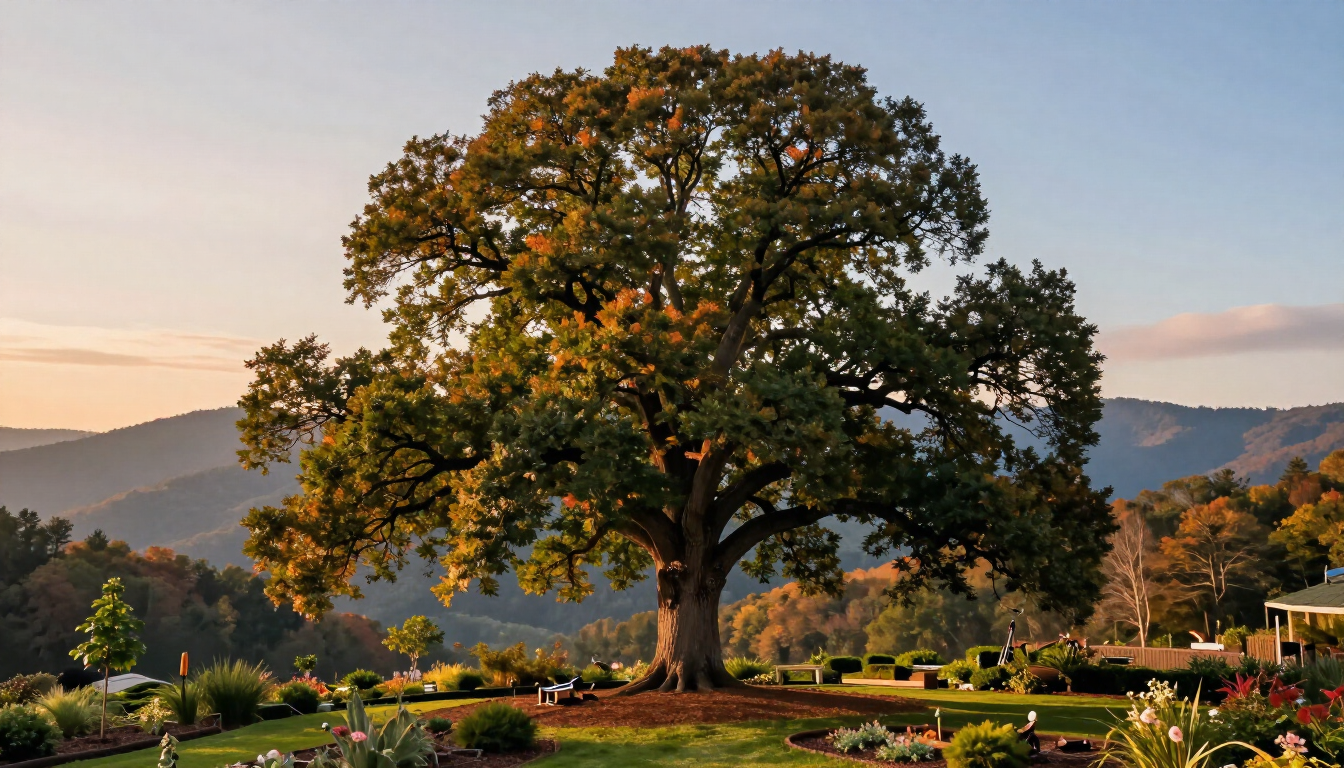
These techniques are particularly important for homeowners in Waynesville, NC and Hendersonville, NC who want to preserve large, historic trees on their properties. By addressing the root cause of the stress—usually literally at the roots—we can often reverse years of decline.
Common Signs of Tree Stress in Fairview and Weaverville
How do you know if your tree is struggling? Sometimes the signs are subtle. You might notice that a maple tree in your Fairview, NC yard is turning red in August instead of October. This "early color" is a classic sign of stress. In other cases, the signs are more dramatic. Look for "epicormic sprouting," which are those small, thin branches that grow directly out of the trunk or main limbs. These are the tree’s way of frantically trying to produce more foliage because the main canopy is failing.
Other symptoms to watch for include:
- Small or yellowing leaves (chlorosis)
- Dead wood or brittle branches in the upper canopy
- Mushrooms or fungal brackets growing at the base of the tree
- Cracks in the soil around the root zone
- Heavy seed production (a last-ditch effort to reproduce before dying)
If you see these signs, it is time to consult with an expert. Early intervention is significantly cheaper and more successful than trying to save a tree that has already lost 50% of its canopy.
What is the role of a certified arborist in tree health?
Working with a certified arborist like James Haddad means you are getting more than just a "tree cutter." Certification from the International Society of Arboriculture (ISA) requires years of experience and a deep understanding of tree biology, soil science, and safety. In Western North Carolina , the terrain and climate vary wildly from Mars Hill, NC to Fletcher, NC , and a certified arborist understands these nuances.
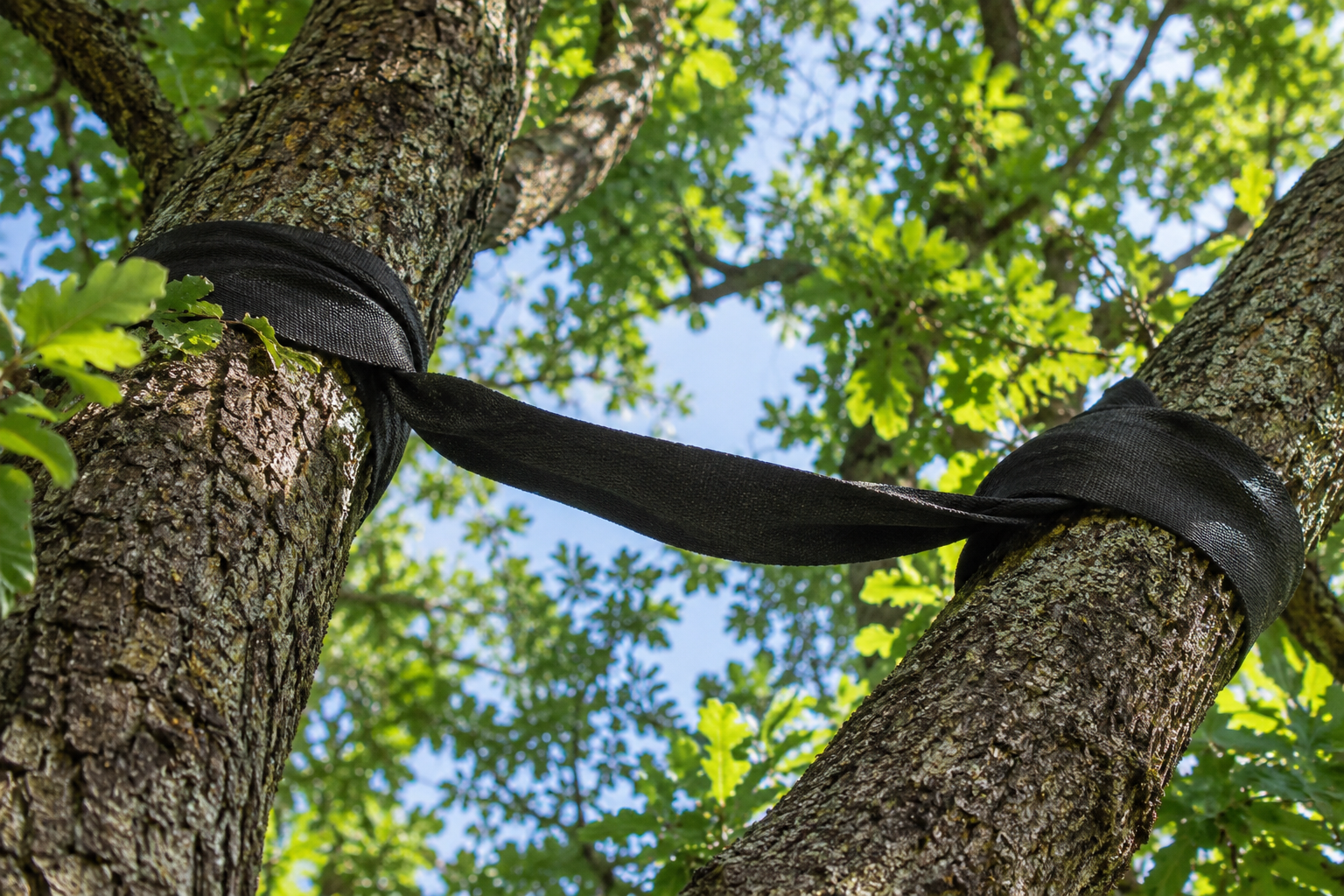
We don't just look at the tree in isolation; we look at the entire ecosystem of your property. We consider the drainage patterns, the history of construction, and the specific species' needs. For example, an Oak tree has very different requirements than a Hemlock or a White Pine. A professional arborist can provide a long-term plan that includes Tree Cabling & Bracing for structural support or Tree Pruning to remove diseased limbs, ensuring the tree remains an asset to your home rather than a liability.
Proactive Tree Health Maintenance Tips
While professional restoration is sometimes necessary, prevention is always the best medicine. You can take several steps to protect your trees from the common WNC stressors mentioned above. First, establish a "critical root zone" where you avoid parking cars or storing heavy materials. This protects the soil from compaction before it even starts.
Second, be mindful of your mulching habits. Avoid "mulch volcanoes" where mulch is piled high against the trunk; instead, create a wide, flat ring of mulch that extends to the drip line of the tree. This helps retain moisture and adds nutrients as it breaks down. Finally, keep an eye on your drainage. If water pools around a tree for days after a storm in Arden, NC , you may need to consult an expert about regrading or installing a French drain to protect the root system.
Key Takeaways for WNC Property Owners
Restoring tree health is a journey, not a quick fix. By understanding the unique challenges of our region, you can make informed decisions about your landscape. Here is a quick summary of what we’ve covered:
- Soil Compaction is a Silent Killer: Heavy clay and construction traffic suffocate roots, but aeration can help.
- Nutrient Cycling Matters: Urban landscapes often lack the organic matter found on the forest floor.
- Watch the Water: Flooding causes immediate oxygen deprivation and long-term fungal risks.
- Professional Tools Make a Difference: Techniques like Air-Spading allow for root-safe restoration.
- Early Detection is Key: Monitor your trees for early fall color or canopy dieback to catch issues early.
If you are worried about the health of the trees on your property, don't wait until it's too late. Whether you need a simple health check or a complex restoration plan, Arborsmiths of Asheville is here to help you preserve the natural beauty of Western North Carolina. Contact us today to schedule a consultation.