
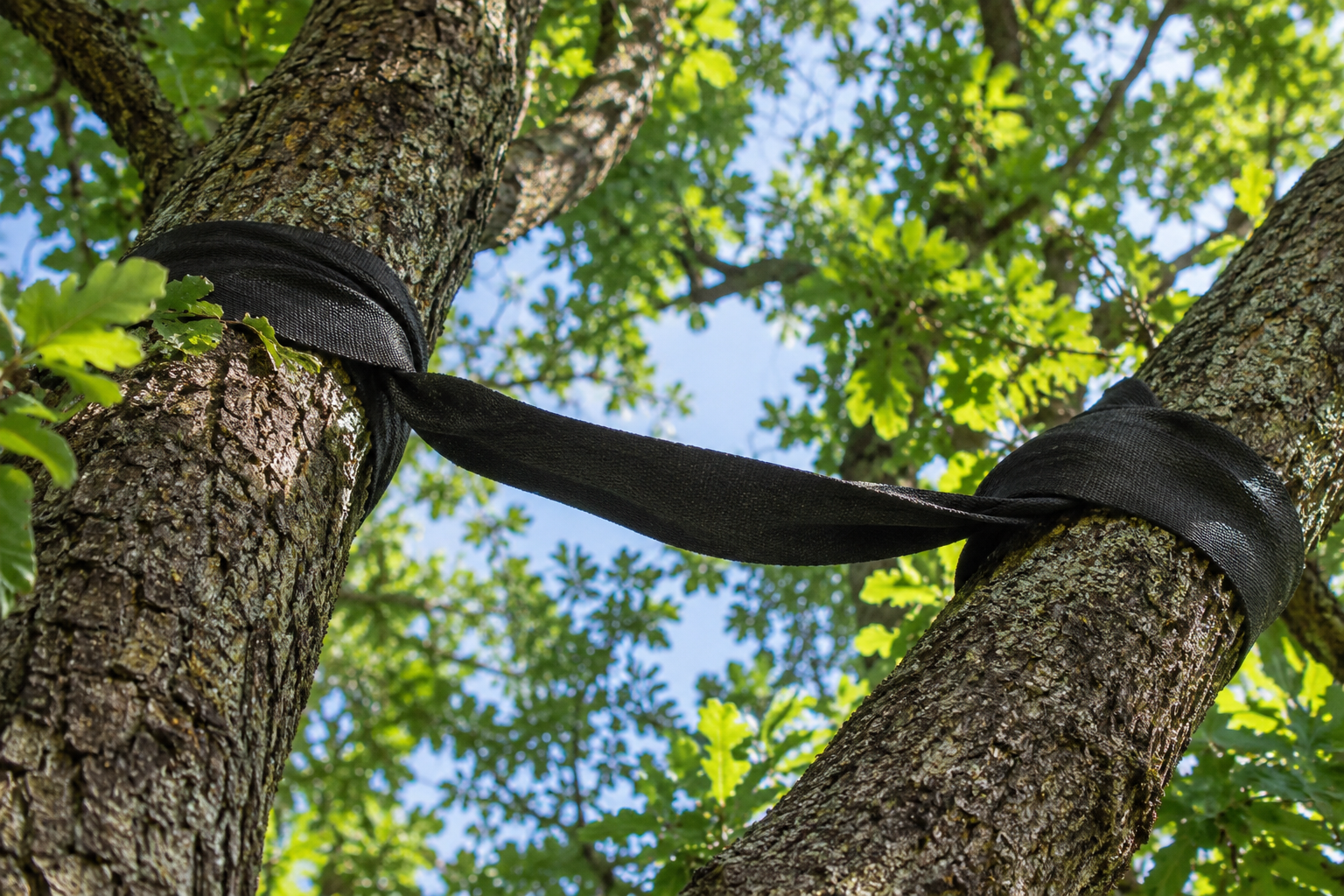
How Pre-Construction Tree Inspection Protects Asheville Yards

September 14, 2026

Share this article

A pre-construction tree inspection is a professional assessment by a certified arborist to identify high-value trees and create a protection plan before building begins. In Asheville, this process prevents irreversible root damage and soil compaction, ensuring your landscape survives the heavy machinery and stress of construction.

Building a dream home in the mountains of Western North Carolina is an exciting journey. Whether you are clearing a lot in Asheville, NC or renovating an existing property in Waynesville, NC , the landscape is likely one of the primary reasons you chose the location. Our region is famous for its towering oaks, ancient maples, and lush hemlocks. However, without a pre-construction tree inspection , those very trees could be the silent victims of your building project. Many homeowners don’t realize that trees often die three to five years after construction is finished because of the stress they endured during the process.

Why is a pre-construction tree inspection necessary in WNC?

Western North Carolina presents unique challenges for tree health during construction. Our terrain is often sloped, and our soils are frequently composed of heavy clays that are highly susceptible to compaction. A pre-construction tree inspection is necessary because it bridges the gap between the vision of the architect and the biological needs of the living landscape. A certified arborist looks beyond the surface, assessing how changes in grade, drainage, and soil density will impact the root systems of your most valuable trees.

In our region, trees are more than just greenery; they are infrastructure. They manage stormwater on steep slopes, provide essential cooling during humid summers, and significantly increase property values. By conducting an inspection early, you can determine which trees are healthy enough to save and which might pose a future safety risk, allowing you to focus your preservation efforts where they matter most. This proactive approach is a core part of Tree Risk Assessment , ensuring that your new home isn't threatened by a weakened tree later on.

Protecting Your Landscape Investment

When you invest in a new build or a major home renovation, you are spending thousands of dollars on design and materials. It only makes sense to protect the "natural capital" that already exists on your lot. Mature trees are irreplaceable in a single lifetime; a hundred-year-old oak cannot be replaced by a sapling from a nursery. A pre-construction inspection allows you to categorize your trees into priority levels:

  • High-Value Specimens: Healthy, structurally sound trees that define the character of the property.
  • Retainable Trees: Healthy trees that are far enough from the building footprint to be saved easily.
  • At-Risk Trees: Trees in the direct path of construction that require specialized mitigation or removal.
  • Hazard Trees: Trees that are already declining and should be removed before construction starts for safety.
  • Buffer Trees: Groups of trees that provide privacy and should be protected as a unit.

By identifying these categories early, you can work with your contractor to move a driveway a few feet or shift a utility line to save a majestic tree that would otherwise have been lost. This is the essence of Tree Health Care : planning for vitality rather than reacting to decline.

What are the biggest risks to trees during building?

The biggest threat to trees during construction is not the visible damage to branches, but the invisible damage to the roots and soil. Heavy equipment like excavators, skid steers, and trucks exert massive pressure on the ground. This pressure collapses the pore spaces in the soil that hold the air and water necessary for a tree's survival. Additionally, excavating for foundations or trenching for utilities often severs critical anchor roots and fine feeder roots.

In Hendersonville, NC and surrounding areas, we often see "root suffocation" occurring because builders have piled excess soil or construction materials over the root zone. Even a few inches of extra soil can cut off oxygen to the roots. Other risks include chemical spills from paint, fuel, or concrete washout, which can alter the soil pH and poison the tree. A pre-construction tree inspection identifies these potential hazards before the first shovel hits the dirt, allowing for the installation of protective barriers.

Essential Steps for a Tree Protection Plan

A successful tree protection plan is the direct result of a thorough inspection. Once the arborist has identified which trees to save, they will outline specific requirements for the construction crew. This isn't just about putting up a bit of orange tape; it’s about creating a literal "no-go zone" for machinery. A comprehensive plan typically includes:

  1. Establishing a Critical Root Zone (CRZ): Defining the area under the tree canopy that must remain undisturbed.
  2. Installing Robust Fencing: Using chain-link or heavy-duty plastic fencing to keep equipment away from the CRZ.
  3. Designating Staging Areas: Clearly marking where materials, debris, and chemicals should be stored far away from trees.
  4. Root Pruning: If excavation must occur near a tree, roots are cleanly pruned beforehand to prevent jagged tearing by backhoes.
  5. Mulching and Irrigation: Applying a thick layer of wood chips to sensitive areas to cushion the weight of occasional foot traffic.

These steps ensure that the Pre-Construction Tree Inspection leads to actionable results. Without these boundaries, even the best-intentioned contractor can accidentally kill a tree through simple proximity.

How does soil compaction kill mature trees?

Soil compaction is often called the "silent killer" of urban and suburban trees. To understand why, you have to look at how a tree breathes. Unlike animals, trees don't have lungs; they rely on the diffusion of gases through the soil. Healthy soil is like a sponge, filled with tiny pockets of air. When heavy machinery rolls over these pockets, the soil is crushed into a dense, brick-like state.

Once the soil is compacted, several things happen:

  • Oxygen Depletion: Roots cannot access the oxygen needed for cellular respiration.
  • Water Infiltration Stops: Rainwater runs off the surface instead of soaking down to the roots.
  • Root Growth Inhibited: The soil becomes too hard for new, delicate feeder roots to penetrate.
  • Microbial Decline: The beneficial fungi and bacteria that help trees absorb nutrients die off.

Because trees have large energy reserves, they may look fine for a year or two after the compaction occurs. However, as those reserves are depleted, you’ll start to see dieback in the crown, smaller leaves, and an increased susceptibility to pests and diseases. This is why a pre-construction tree inspection in areas like Black Mountain, NC is so vital—it prevents the damage that leads to this slow, painful decline.

Close up of tree roots protected by mulch and fencing

The Role of a Certified Arborist in Construction

A certified arborist, like James Haddad at Arborsmiths of Asheville, acts as an advocate for your landscape. While contractors are focused on the structure, the arborist is focused on the ecosystem. During a pre-construction tree inspection , the arborist works with the property owner to understand the building plans and provides expert advice on how to integrate the two.

This role often involves communication with other professionals on the job site. We can speak the language of the site foreman and the excavator operator, explaining why a certain oak tree needs fifteen feet of clearance rather than five. We also provide specialized services like Tree Pruning & Trimming Experts to clear the way for tall equipment without damaging the tree’s overall structure. Having an arborist on your team from day one ensures that tree health is a priority, not an afterthought.

When should you call a certified arborist?

The best time to call for a pre-construction tree inspection is during the planning and design phase, long before any equipment arrives on site. Ideally, your arborist should be one of the first people you consult, right alongside your architect or land surveyor. This allows the tree protection plan to be integrated into the official site drawings.

If you wait until the lot is being cleared, it’s often too late. Many high-value trees are accidentally damaged or removed during the initial clearing process because they weren't clearly marked for preservation. Early consultation is especially important if you are dealing with local ordinances. Many municipalities in the WNC area, including Asheville, NC , have specific rules regarding tree removal and replacement during development. A certified arborist can help you navigate these regulations, ensuring your project remains in compliance while saving you money on potential fines.

Long-Term Benefits of Early Consultation

Thinking ahead saves you more than just trees; it saves you money and stress. A property with mature, healthy trees is significantly more desirable on the real estate market than a bare lot with a few newly planted saplings. Furthermore, the cost of a pre-construction tree inspection and the subsequent protection measures is a fraction of the cost of Tree Removal for a massive, dead oak five years from now.

By prioritizing the health of your landscape from the start, you enjoy:

  • Immediate Curb Appeal: Your new home will look established and beautiful from the day you move in.
  • Energy Savings: Large shade trees can reduce cooling costs by up to 30% in the summer.
  • Environmental Stewardship: You are preserving the local canopy and providing habitat for WNC wildlife.
  • Peace of Mind: Knowing that your trees are safe and structurally sound.

If the construction has already happened and you’re worried about damage, don’t panic. We also offer Post-Construction Tree Mitigation to help distressed trees recover. However, prevention is always the best medicine.

Summary of Tree Protection Benefits

In conclusion, a pre-construction tree inspection is the most effective way to ensure your Asheville property retains its natural beauty and value during a build. By identifying high-value trees, establishing protection zones, and preventing soil compaction, you can coexist with the majestic forest that makes Western North Carolina so special.

Key Takeaways for Homeowners:

  • Start Early: Schedule your inspection during the design phase.
  • Protect the Roots: Most tree damage happens underground where you can't see it.
  • Hire a Pro: Only a certified arborist has the expertise to create a viable protection plan.
  • Set Boundaries: Use physical fencing to keep machinery out of the critical root zones.
  • Think Long-Term: Preservation is significantly cheaper than removal and replacement later.

If you’re planning a project in Asheville, Waynesville, or Hendersonville, contact Arborsmiths of Asheville today to schedule your pre-construction consultation.

Recent Posts

September 9, 2026
At Arborsmiths Asheville, we practice what we call Relational Tree Care. That means beginning with a simple premise: a tree is not an object we manage. It is a living organism we enter into relationship with. A mature tree is continuously responding to wind, weather, soil, injury, decay, competition, pruning and its own growth. Good arboriculture requires understanding those relationships and intervening in ways that preserve as much of the tree's own biological and structural capacity as possible.
Professional arborist assessing emergency tree damage in Asheville NC
August 31, 2026
Learn what to do after a tree falls on your Asheville property. Follow our safety guide and know when to call an emergency tree service arborist.
A healthy young oak tree planted in an Asheville residential yard.
August 17, 2026
Discover the best trees to plant in Western North Carolina. Our certified arborist shares the top native species that thrive in Asheville's mountain climate and soil.
Healthy trees in Western North Carolina landscape
August 3, 2026
Restore your property's value. Learn how WNC arborists treat soil compaction, nutrient loss, and flooding damage to save your trees in Asheville, Weaverville, and Fairview.
Healthy trees in the Asheville, NC landscape.
July 21, 2026
Learn to identify and treat common tree problems in Asheville, NC, from root rot to storm damage, with expert advice from Arborsmiths.
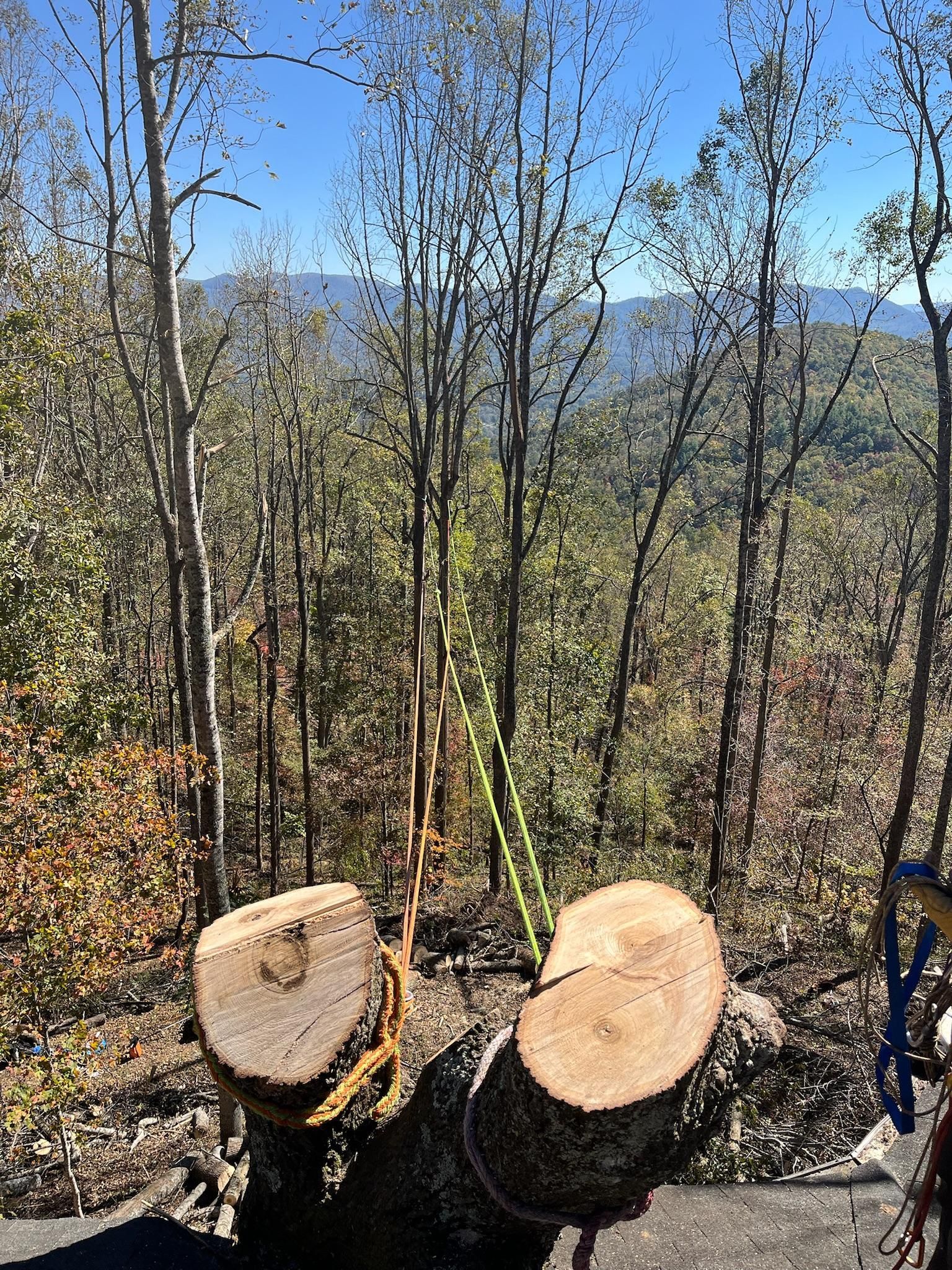
Certified arborist performing a tree risk assessment in Asheville NC
July 20, 2026
Discover what a tree risk assessment is, why it's vital for Asheville homeowners, and how certified arborists evaluate tree hazards and storm damage to keep your property safe.
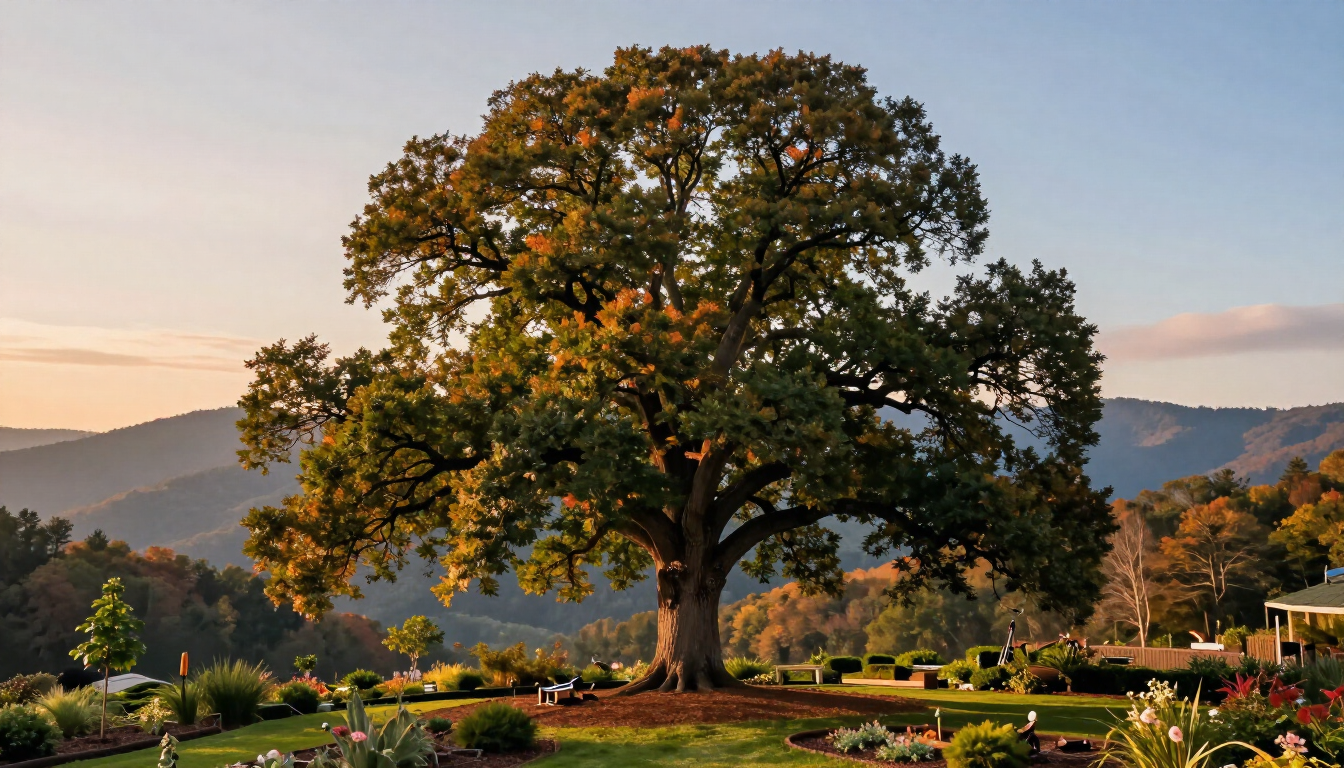
Professional tree cabling system installed in a large heritage tree canopy.
June 25, 2026
Protect your old-growth trees from storm damage. Learn how tree cabling and bracing from Asheville experts can stabilize your heritage trees and prevent failure.
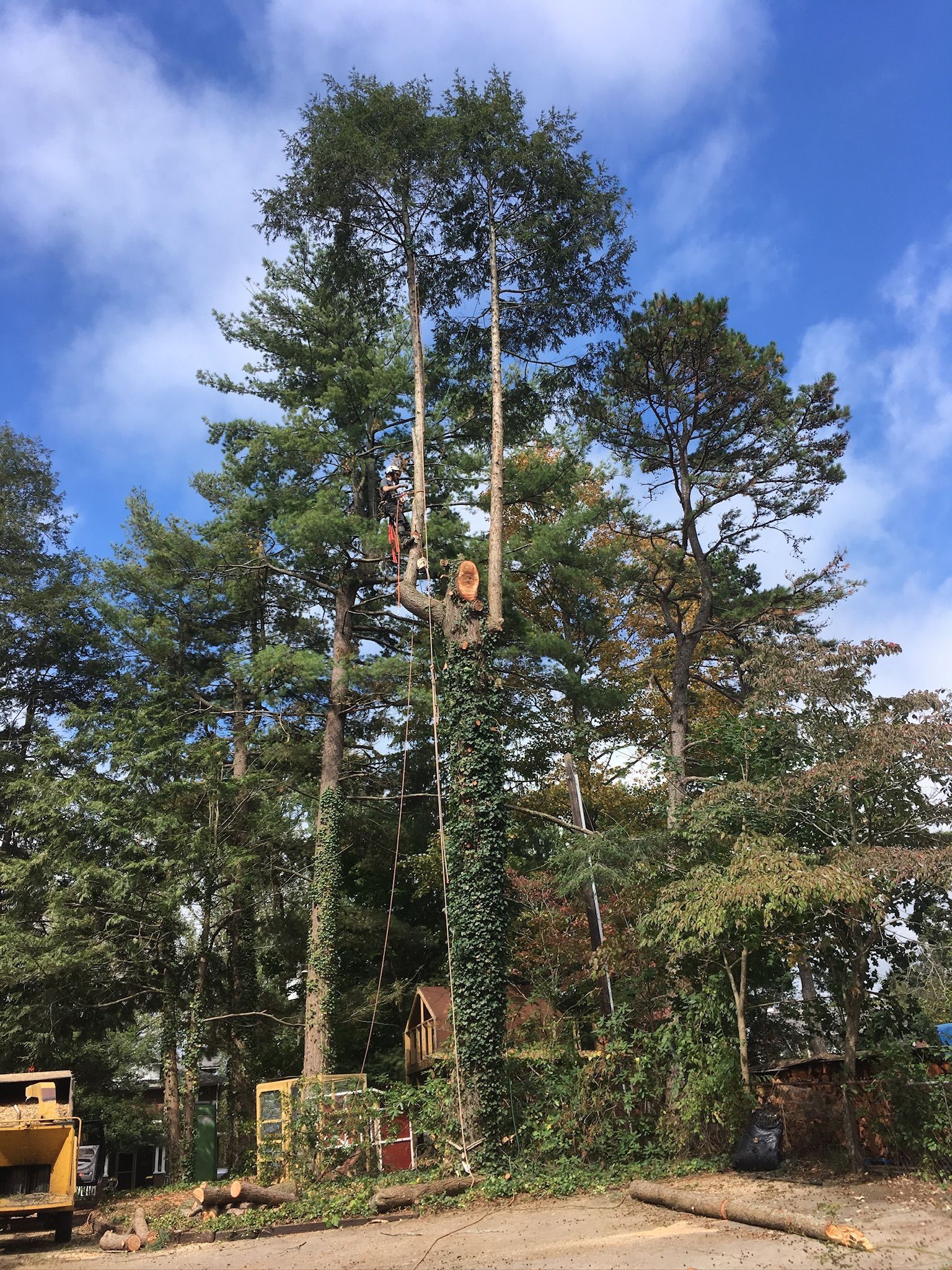
Professional arborist examining a tree in Asheville.
June 8, 2026
Deciding between tree pruning and tree removal in Asheville? Learn how certified arborists like James Haddad evaluate tree health and safety to make the best choice for your property.