Best Trees to Plant in Western North Carolina

August 17, 2026

Share this article

The best trees to plant in Western North Carolina are native species like White Oak, Sugar Maple, Sourwood, and River Birch. These trees are uniquely adapted to Asheville’s acidic soil, mountain elevations, and high rainfall, ensuring structural durability, long-term health, and exceptional seasonal beauty for local residential landscapes.

What makes Western North Carolina unique for tree planting?

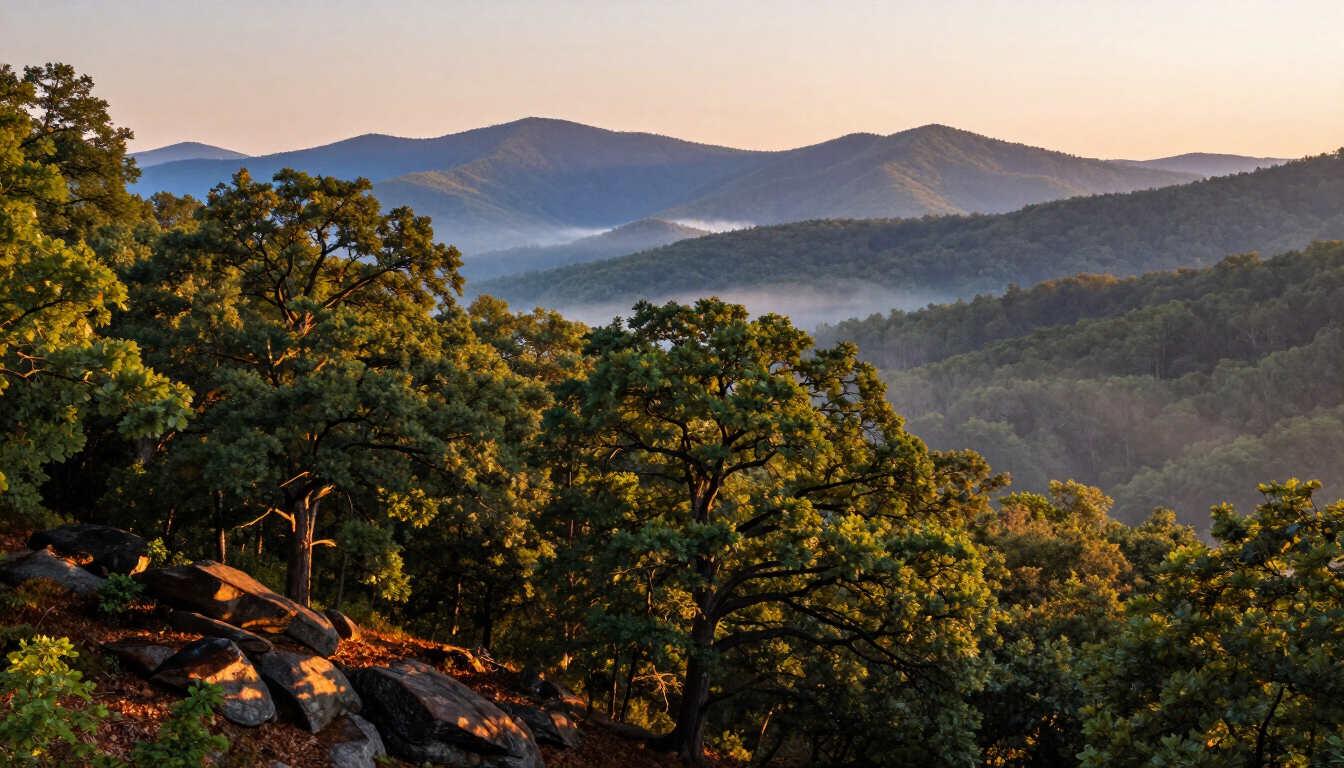
Planting trees in the Blue Ridge Mountains is a different experience than planting in the Piedmont or coastal regions of North Carolina. Homeowners in Asheville, NC and surrounding areas like Arden, NC must contend with a specific set of environmental factors that dictate which species will thrive and which will struggle. The region is characterized by USDA Hardiness Zones 6b through 7a, but elevation changes can create microclimates that vary significantly within just a few miles.

One of the most defining features of our terrain is the soil. Western North Carolina soil is often heavy in clay and naturally acidic. While this is perfect for certain native species, it can be a death sentence for trees that require neutral pH or high-drainage sandy soils. Furthermore, our region experiences high annual rainfall and occasional heavy ice storms. This means that structural integrity is just as important as aesthetic appeal. Choosing a tree that cannot withstand the weight of ice or the force of mountain winds may lead to a future need for tree risk assessment or emergency removal.

When we look at the landscape in Black Mountain, NC or Fletcher, NC , we see a verticality that affects sun exposure. A tree planted on a north-facing slope will have vastly different light requirements than one in a valley. Understanding these nuances is the first step toward a successful planting project that contributes to the long-term tree canopy of our beautiful mountain home.

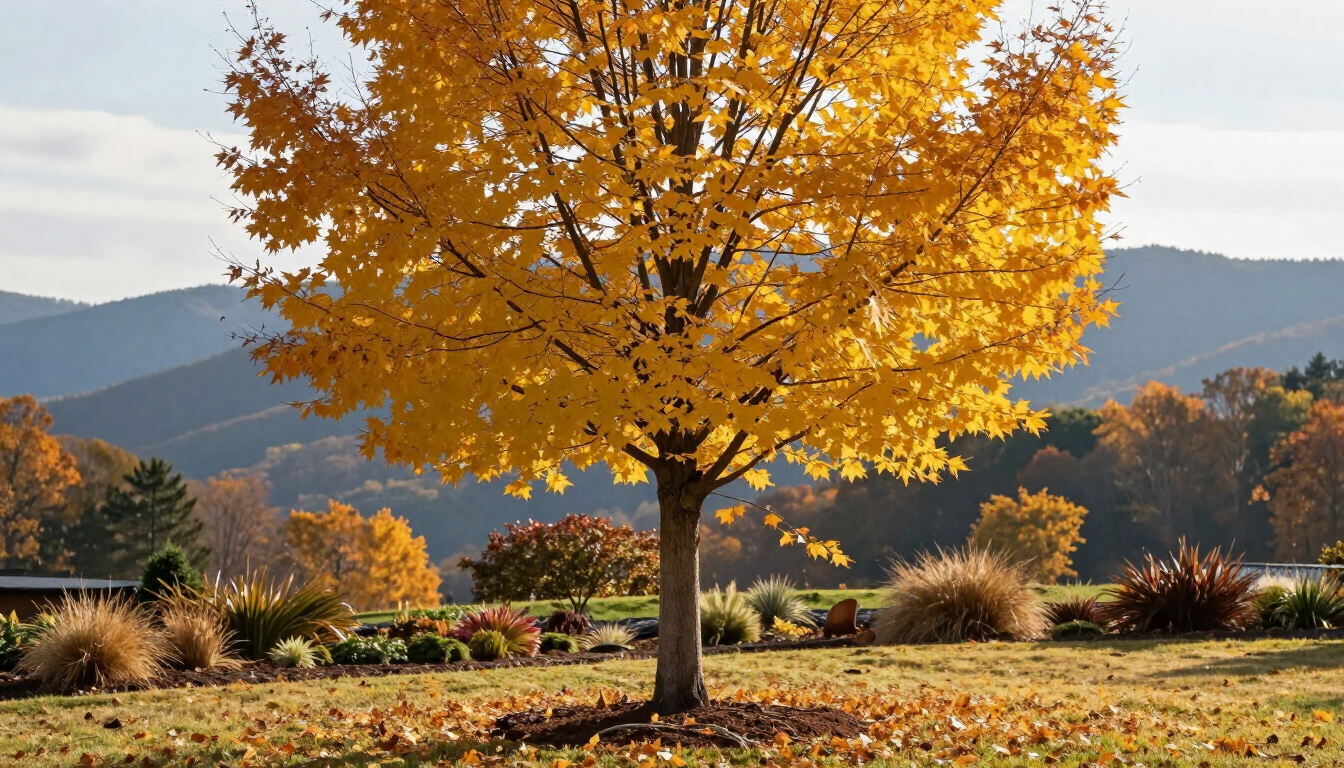
Sugar Maple in Autumn

Top 5 Best Trees to Plant in Western North Carolina

Selecting the right tree requires balancing your personal goals—whether that is shade, privacy, or fall color—with the biological needs of the plant. Based on decades of experience in tree health care , here are the top five species recommended for our region:

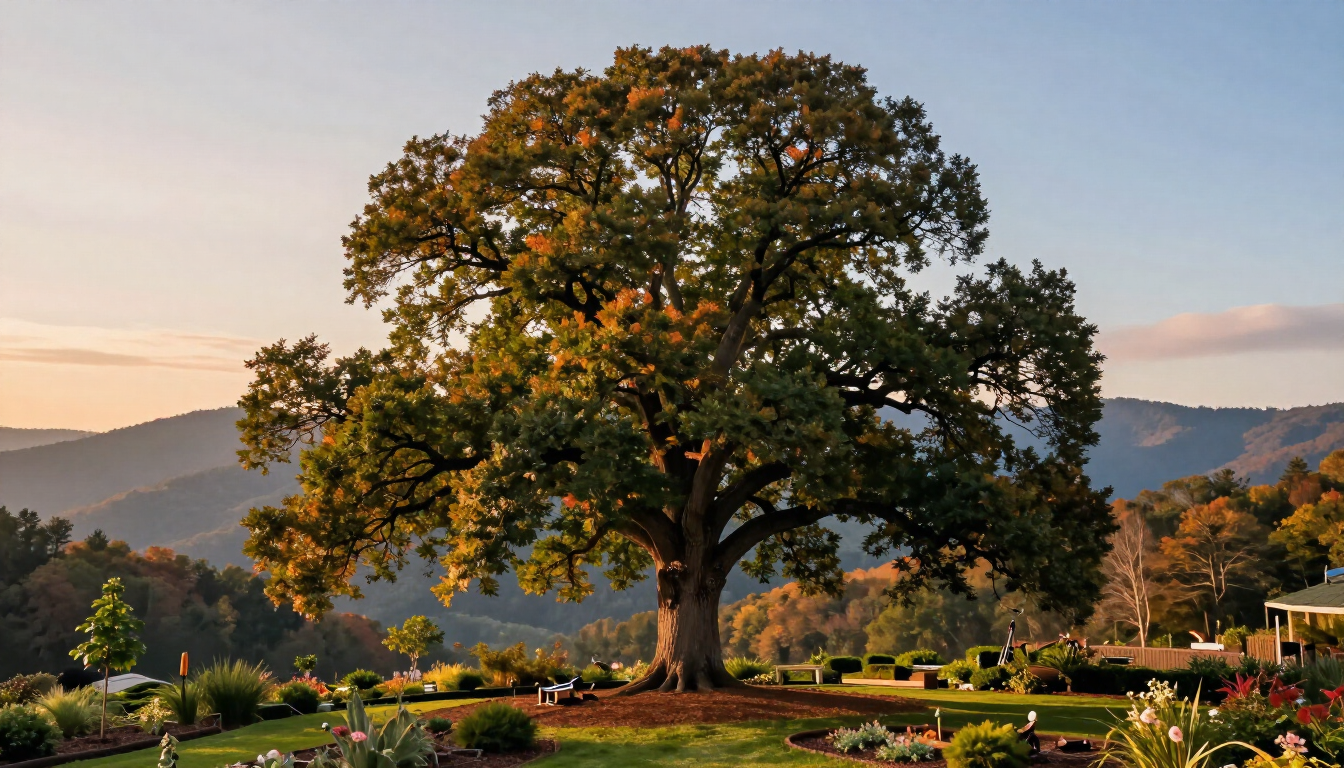
  1. White Oak (Quercus alba): Known as the king of the forest, the White Oak is a powerhouse for local ecosystems. It provides massive shade, supports hundreds of species of local insects and birds, and is incredibly long-lived. It handles our clay soils well and develops a deep root system that makes it wind-resistant.
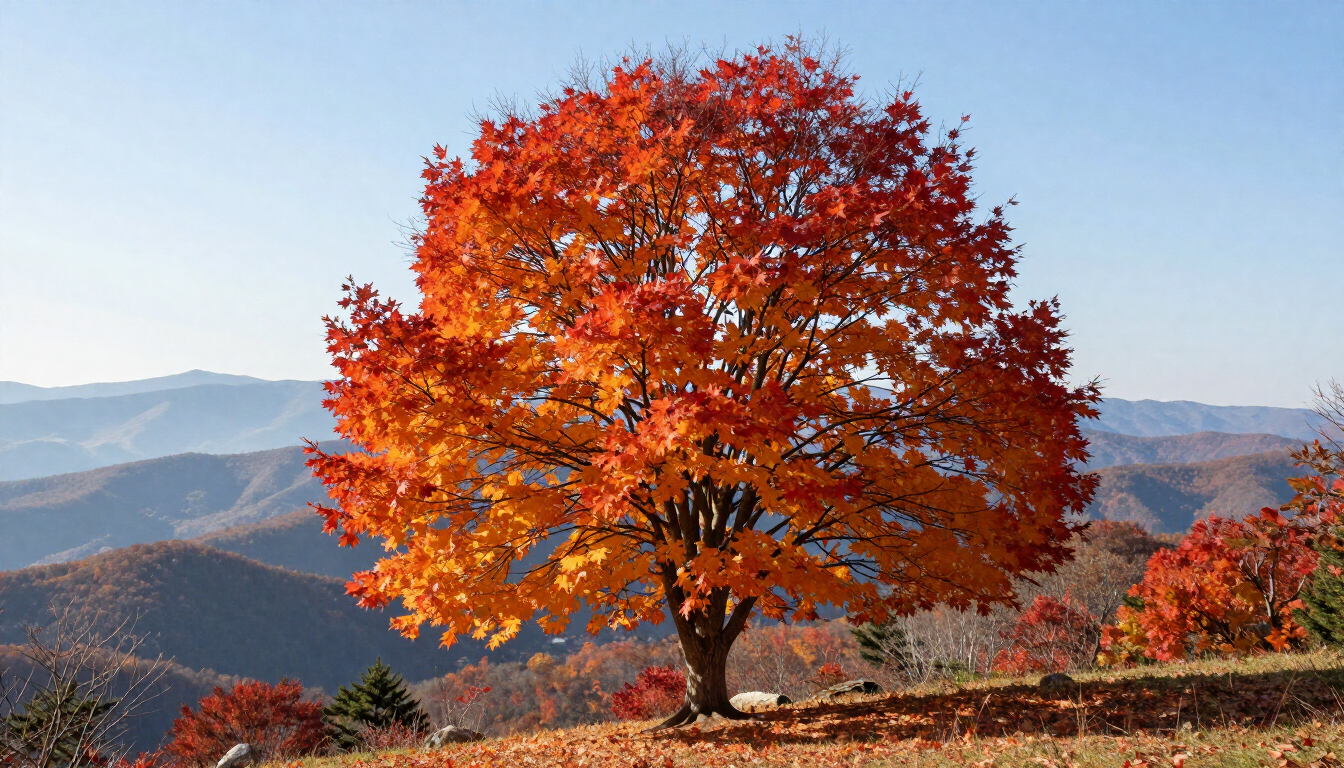
  2. Sugar Maple (Acer saccharum): If you want the quintessential Appalachian fall, the Sugar Maple is unmatched. Its leaves turn brilliant shades of orange, red, and yellow. These trees prefer the cooler temperatures found in higher elevations and provide a dense canopy for summer cooling.
  3. Sourwood (Oxydendrum arboreum): A true Southern Appalachian native, the Sourwood is famous for its mid-summer white flowers and its early, intense red fall foliage. It is a smaller tree, making it perfect for residential lots where a massive Oak might be too large.
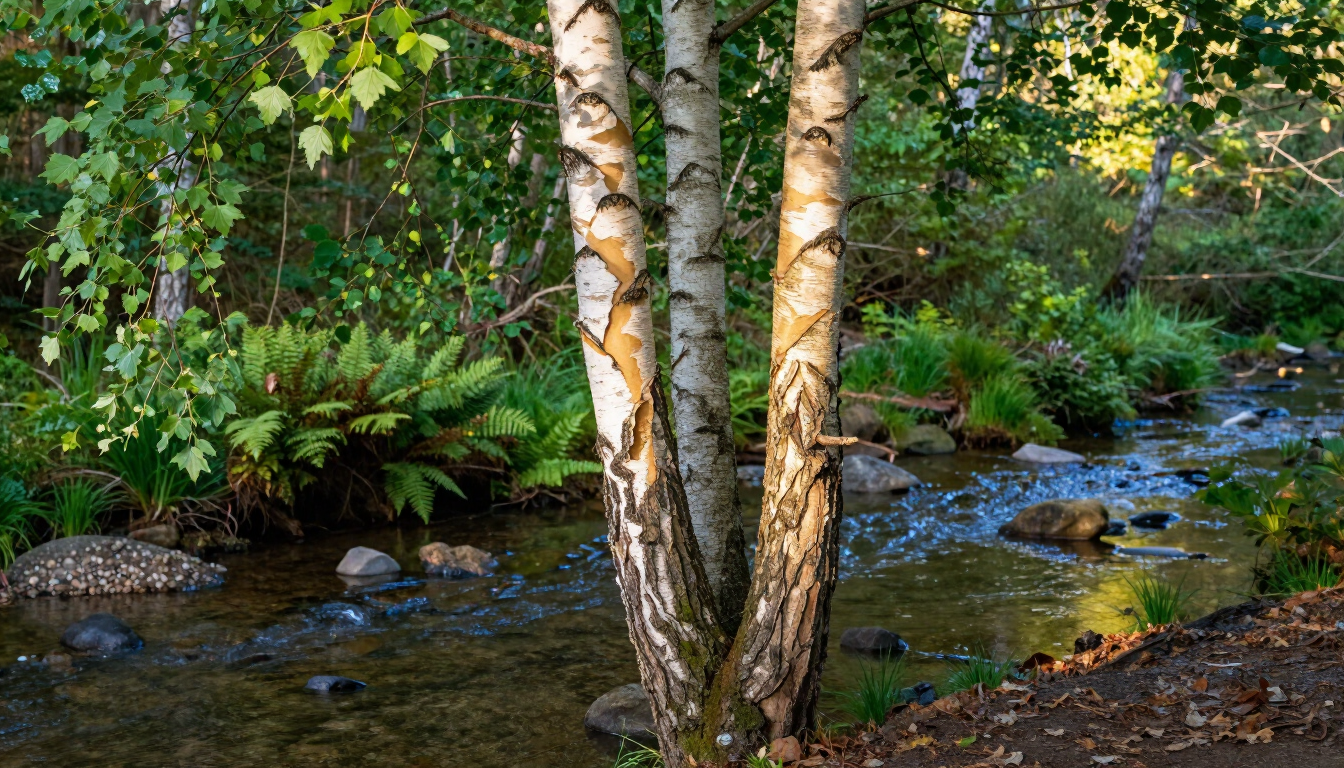
  4. River Birch (Betula nigra): For property owners in lower-lying areas or near creeks, the River Birch is an excellent choice. It thrives in wet soil and is known for its beautiful, peeling cinnamon-colored bark, which provides year-round visual interest.
  5. Eastern Red Cedar (Juniperus virginiana): For those seeking year-round privacy or windbreaks, this evergreen is the gold standard. It is extremely hardy, drought-tolerant once established, and provides critical winter shelter for local songbirds.

These species represent the "best trees to plant in Western North Carolina" because they have evolved alongside our local pests and weather patterns. By choosing these, you are investing in a tree that is genetically predisposed to succeed in your backyard.

Why should you choose native species for your Asheville landscape?

In the world of arboriculture, "Right Tree, Right Place" is the golden rule. Native species are the foundation of this philosophy. When you choose a tree that is indigenous to the mountains of North Carolina, you are reducing the need for intensive tree health care interventions later on. Native trees have spent thousands of years adapting to our specific fungi, insects, and humidity levels.

Beyond just survival, native trees provide the necessary food and habitat for local wildlife. A non-native, ornamental tree might look pretty, but it often acts as a "biological desert," offering nothing to the birds and pollinators that call Asheville home. Furthermore, native trees are generally more resilient against the erratic weather patterns we see in the Blue Ridge, such as late spring frosts or prolonged summer droughts. Selecting a native species from our tree planting and transplanting experts ensures that your landscape remains a functional part of the broader mountain ecosystem.

When is the best time to plant trees in Asheville, NC?

Timing is everything when it comes to the survival of a new sapling. In Western North Carolina, the ideal window for tree planting is during the dormant season—specifically from late autumn after the leaves have fallen through early spring before the buds begin to swell. During this period, the tree is not actively growing foliage, which allows it to direct all its energy into establishing a robust root system before the heat of summer arrives.

Planting in the fall (October through December) is particularly advantageous in our region. The soil remains relatively warm even as the air cools, promoting root growth. By the time the spring rains arrive, the tree already has a head start. If you miss the fall window, late winter/early spring is the next best option. However, avoid planting during the height of July or August, as the stress of high temperatures and potential drought can be fatal to young, unestablished trees.

River Birch Near Water

How can homeowners prepare their mountain soil for planting?

Success starts beneath the surface. Because many homes in Arden and Fletcher are built on compacted clay, simply digging a hole and dropping a tree in is rarely enough. Proper soil preparation is essential for oxygen and water to reach the roots.

  • Dig a wide, shallow hole: The hole should be 2-3 times wider than the root ball but no deeper. This allows roots to spread horizontally through loosened soil.
  • Test your pH: Most WNC trees love acidic soil, but it’s always wise to verify. If the soil is too alkaline, your new tree may suffer from nutrient deficiencies.
  • Avoid over-amending: While it’s tempting to fill the hole with potting soil, it's often better to use the native soil you dug out. This encourages the roots to grow beyond the hole into the surrounding earth rather than staying trapped in a "pot" of rich soil.
  • Mulch properly: Apply a 2-3 inch layer of organic mulch around the base, but keep it away from the trunk. This mimics the forest floor, retaining moisture and regulating temperature.

If you are unsure about your soil quality, consulting with a professional for a pre-construction tree inspection or soil analysis can save you hundreds of dollars in lost plants. Proper preparation is the best way to ensure you won't need tree removal services just a few years down the road due to planting failure.

Professional Support for Your Mountain Canopy

While many homeowners enjoy the process of planting a single tree, larger-scale landscaping or the installation of mature specimens requires professional expertise. A certified arborist brings more than just a shovel to the job; they bring an understanding of structural integrity, long-term growth patterns, and disease resistance. At Arborsmiths of Asheville, we specialize in helping residents navigate the complexities of mountain planting.

Our team assists with everything from selecting the perfect species for your specific elevation to providing ongoing tree pruning and trimming to shape your tree as it matures. We believe in preserving the natural beauty of Western North Carolina, one tree at a time. Whether you are looking to add shade to a new home in Mars Hill or restore a canopy in Waynesville , professional guidance ensures your investment grows for generations.

Key Takeaways for Planting in Western NC

Choosing the best trees to plant in Western North Carolina involves matching native biology with your specific mountain microclimate. To ensure your new trees thrive, keep these points in mind:

  • Prioritize Natives: Focus on species like White Oak, Sugar Maple, and Sourwood for maximum resilience.
  • Respect the Soil: Account for heavy clay and acidic pH levels before you dig.
  • Timing Matters: Plan your planting projects for the dormant season (late fall or early spring).
  • Think Long-Term: Consider the mature size of the tree to avoid future property damage or the need for frequent pruning.
  • Consult Experts: If you are unsure about placement or health, reach out to a certified arborist for a professional assessment.

By following these guidelines, you can contribute to the health and beauty of the Asheville area while enjoying the many benefits that a thriving tree canopy provides.

Recent Posts

Healthy trees in Western North Carolina landscape
August 3, 2026
Restore your property's value. Learn how WNC arborists treat soil compaction, nutrient loss, and flooding damage to save your trees in Asheville, Weaverville, and Fairview.
Healthy trees in the Asheville, NC landscape.
July 21, 2026
Learn to identify and treat common tree problems in Asheville, NC, from root rot to storm damage, with expert advice from Arborsmiths.
Certified arborist performing a tree risk assessment in Asheville NC
July 20, 2026
Discover what a tree risk assessment is, why it's vital for Asheville homeowners, and how certified arborists evaluate tree hazards and storm damage to keep your property safe.
Professional tree cabling system installed in a large heritage tree canopy.
June 25, 2026
Protect your old-growth trees from storm damage. Learn how tree cabling and bracing from Asheville experts can stabilize your heritage trees and prevent failure.
Professional arborist examining a tree in Asheville.
June 8, 2026
Deciding between tree pruning and tree removal in Asheville? Learn how certified arborists like James Haddad evaluate tree health and safety to make the best choice for your property.