Emergency Tree Service Asheville NC: 5 Safety Steps

August 31, 2026

Share this article

Emergency tree service in Asheville, NC, involves the immediate professional assessment and removal of trees that pose an urgent threat to life or property. If a tree falls, prioritize safety by evacuating the area, contacting utility companies for downed lines, and calling a certified arborist for hazard mitigation and removal.

What should I do immediately after a tree falls?

Discovering that a tree has fallen on your property—or worse, your home—is a high-stress situation that requires a calm, methodical approach. In Western North Carolina, our terrain and weather patterns often lead to sudden uprooting or limb failures. Your primary objective in the first few minutes is safety, not salvage.

Before you even think about picking up a chainsaw or assessing the damage closely, you must establish a safety perimeter. Trees are heavy, unpredictable, and often under immense tension when they fall. A tree that appears stable on the ground may still have limbs under "spring-pole" tension that can snap and cause fatal injuries. Furthermore, the root ball of an uprooted tree can suddenly settle back into its hole, creating a crushing hazard.

Follow these immediate steps to ensure everyone’s safety:

  • Evacuate all people and pets from the immediate area and any structures that were hit.
  • Identify if any power lines or utility cables have been pulled down or are entangled in the branches.
  • Keep a distance of at least 30 feet from the fallen tree until a professional arrives.
  • Document the scene from a safe distance with photos for your insurance claim.
  • Contact a certified arborist to initiate Emergency Tree Services .

Critical safety zones and utility hazards

One of the most dangerous aspects of a fallen tree in Asheville, NC , is the potential for downed power lines. Because our region is heavily forested and mountainous, power lines often run through dense canopies. When a tree falls, it may not just break the line; it might leave the line energized while hidden under foliage.

Never assume a downed power line is dead. Electricity can travel through the ground (ground gradient) or through the tree itself if it is wet. If a tree is touching a line, do not touch the tree or any fences, metal objects, or puddles nearby. In such cases, your first call should be to Duke Energy or your local utility provider, followed by an emergency arborist. Only once the utility company has cleared the site and de-energized the lines can an arborist safely begin Tree Removal .

When is it time to call an emergency tree service?

Not every fallen limb constitutes an emergency, but certain situations demand immediate intervention. Homeowners in Marshall, NC , and Mars Hill, NC , often deal with steep grades where a fallen tree can block essential access roads or driveways, preventing emergency vehicle access. This is a clear emergency.

You should call for emergency assistance if:

  1. The tree has landed on a house, garage, or vehicle.
  2. The tree is blocking a public right-of-way or your only exit.
  3. The tree is leaning precariously toward a structure or high-traffic area.
  4. The tree has damaged a utility line or is actively sparking.
  5. Root systems are visibly lifting, indicating an imminent total failure.

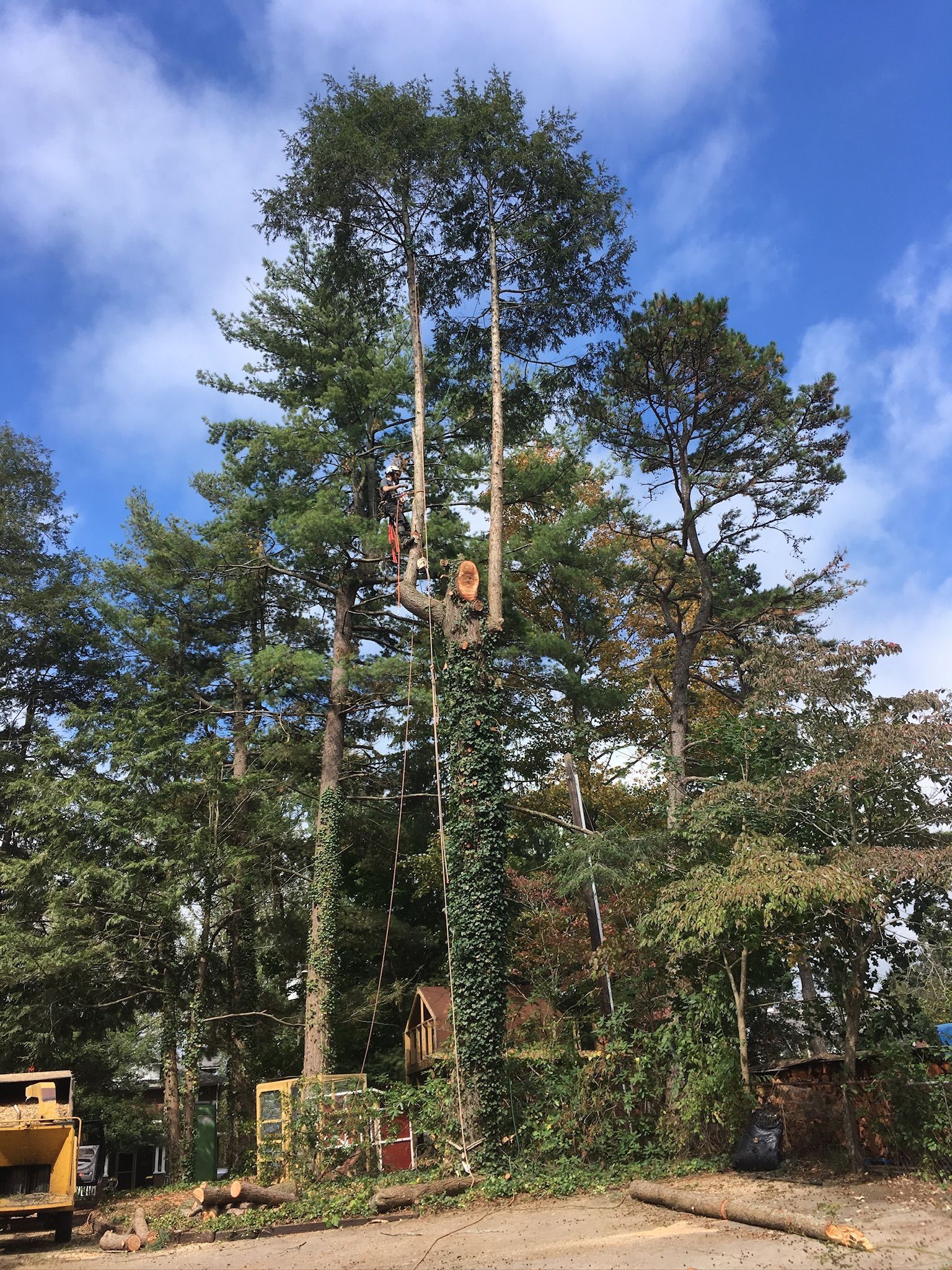
In many cases, a tree doesn’t have to be completely on the ground to be an emergency. A "hanger"—a large broken limb dangling high in the canopy—can fall at any moment with a slight breeze. These are often referred to as "widow-makers" in the industry for a reason. Professional arborists use specialized rigging and aerial lifts to remove these hazards without causing further damage to the tree or the property below.

The Arborsmiths approach to tree risk assessment

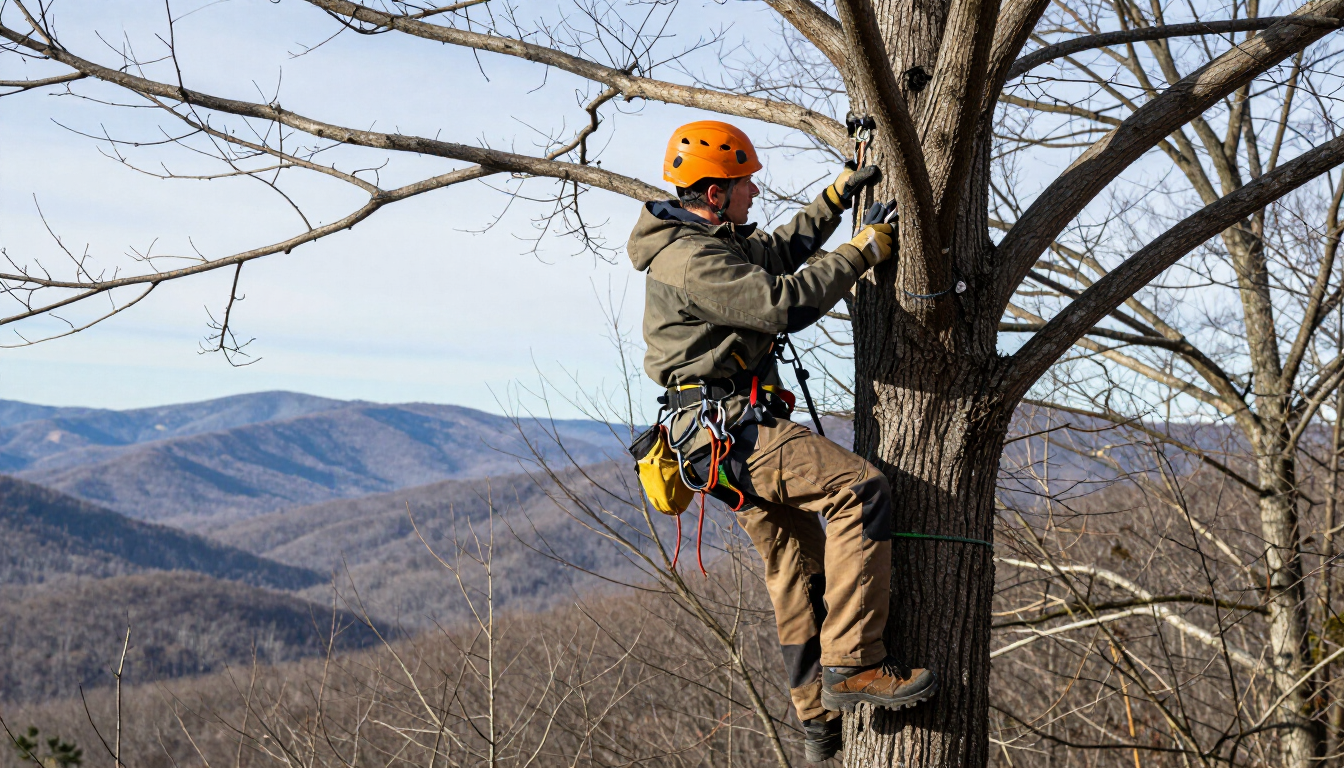
When our team arrives on-site, we perform a rapid but thorough Tree Risk Assessment . This isn't just about cutting wood; it’s about understanding the physics of the fall. We evaluate the species of the tree, the soil saturation levels, and the structural integrity of the remaining portions of the tree.

In Western North Carolina, we see many failures in White Pines and Red Oaks during heavy wind events or ice storms. White Pines have brittle wood that tends to snap, while Oaks, with their massive canopies, often uproot when the soil becomes a slurry after heavy rains. Our assessment determines whether the tree can be saved through Tree Health Care or Tree Cabling & Bracing , or if total removal is the only safe option.

Why storm damage in Western NC is unique

The topography of the Blue Ridge Mountains creates microclimates that can produce localized, high-intensity wind gusts. These winds, combined with the shallow, rocky soils of our region, make trees more susceptible to "windthrow" (uprooting). Homeowners in areas like Black Mountain, NC , or Weaverville, NC , know that a storm can vary greatly from one side of a ridge to the other.

Furthermore, the density of our forests means that when one tree falls, it often creates a domino effect, damaging neighboring trees. A certified arborist doesn't just look at the tree on the ground; they look at the trees left standing. The loss of a "neighbor" tree can expose others to wind loads they aren't adapted to, potentially leading to more failures in the next storm.

How does insurance handle emergency tree removal?

Navigating insurance after a storm can be as daunting as the tree itself. Generally, if a tree falls on a "covered structure" (like your home, fence, or detached garage), insurance will likely cover the cost of removal and the subsequent repairs. However, if a tree falls in the middle of your yard without hitting anything, coverage may be limited or non-existent, unless it is blocking a driveway.

It is vital to work with a tree service company that understands insurance documentation. We provide detailed reports and photographic evidence to help homeowners justify the "emergency" nature of the work. This documentation is crucial for showing that the tree posed a direct threat or caused structural damage. Always check your specific policy, but having a professional assessment on hand significantly smoothens the claims process.

Does my tree need cabling or removal?

Not every storm-damaged tree is a lost cause. Sometimes, a tree suffers a significant limb loss but the main trunk and root system remain healthy. In these instances, we might recommend Tree Pruning & Trimming to remove the damaged sections and balance the canopy.

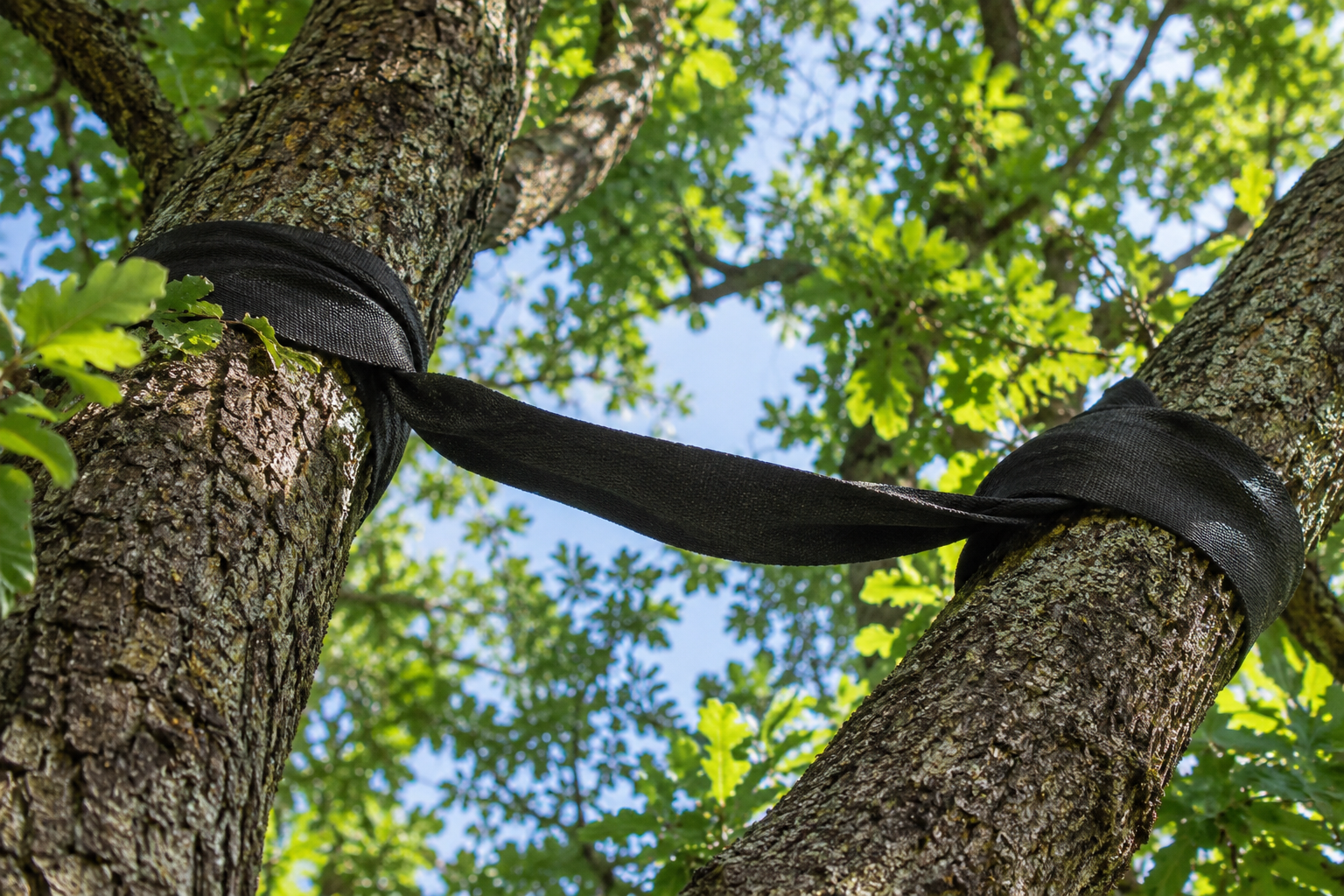
If the tree has developed a structural crack but is otherwise healthy, Tree Cabling & Bracing can provide the necessary support to prevent future failure. This is often an excellent option for high-value heritage trees that add significant aesthetic and property value to your home. However, this decision must be made by a certified professional, as improper cabling can actually create more stress on the tree.

Preventing future tree emergencies

The best emergency tree service is the one you never have to call. Proactive care is the most effective way to protect your property. Most trees show signs of stress or structural weakness long before they fail in a storm.

Key indicators of potential failure include:

  • Fungal growth (mushrooms) at the base of the trunk, indicating root rot.
  • Deep cracks or seams in the main trunk.
  • Dead or leafless branches in the upper canopy.
  • A noticeable lean that has developed recently.
  • Soil heaving or cracking around the base of the tree.

By scheduling regular Tree Health Care visits, you can identify these issues early. Often, simple corrective pruning or soil treatments can strengthen a tree's resilience against the high winds and heavy snows we experience in Western North Carolina.

Key Takeaways for Homeowners

Dealing with a fallen tree is a race against time and further damage. By following a structured response, you can minimize risk and ensure a professional resolution. Remember that your safety is worth more than the property itself; never attempt to handle a large-scale tree emergency without professional equipment and expertise.

  • Prioritize Safety : Move away from the tree and stay clear of any utility lines.
  • Call Professionals : Contact a certified arborist for an immediate Tree Risk Assessment .
  • Document Everything : Take photos for insurance but only from a safe distance.
  • Think Long-Term : After the emergency is resolved, consider a maintenance plan to protect your remaining trees.

If you are currently facing a tree emergency or want to evaluate the safety of the trees on your property in Asheville, Marshall, or Mars Hill, please Contact us immediately. At Arborsmiths of Asheville, led by James Haddad, we bring over 25 years of experience to every job, ensuring your home remains a safe and beautiful place to live.

Recent Posts

A healthy young oak tree planted in an Asheville residential yard.
August 17, 2026
Discover the best trees to plant in Western North Carolina. Our certified arborist shares the top native species that thrive in Asheville's mountain climate and soil.
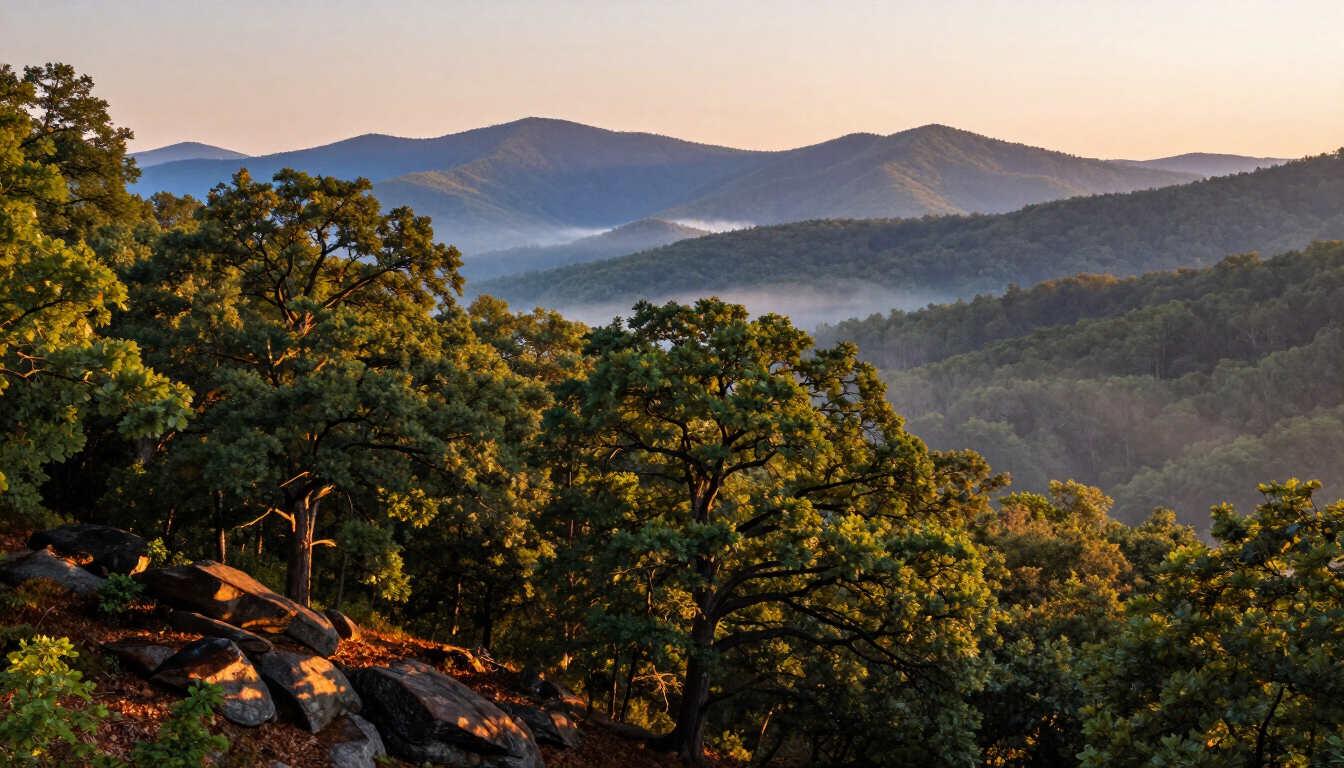
Healthy trees in Western North Carolina landscape
August 3, 2026
Restore your property's value. Learn how WNC arborists treat soil compaction, nutrient loss, and flooding damage to save your trees in Asheville, Weaverville, and Fairview.
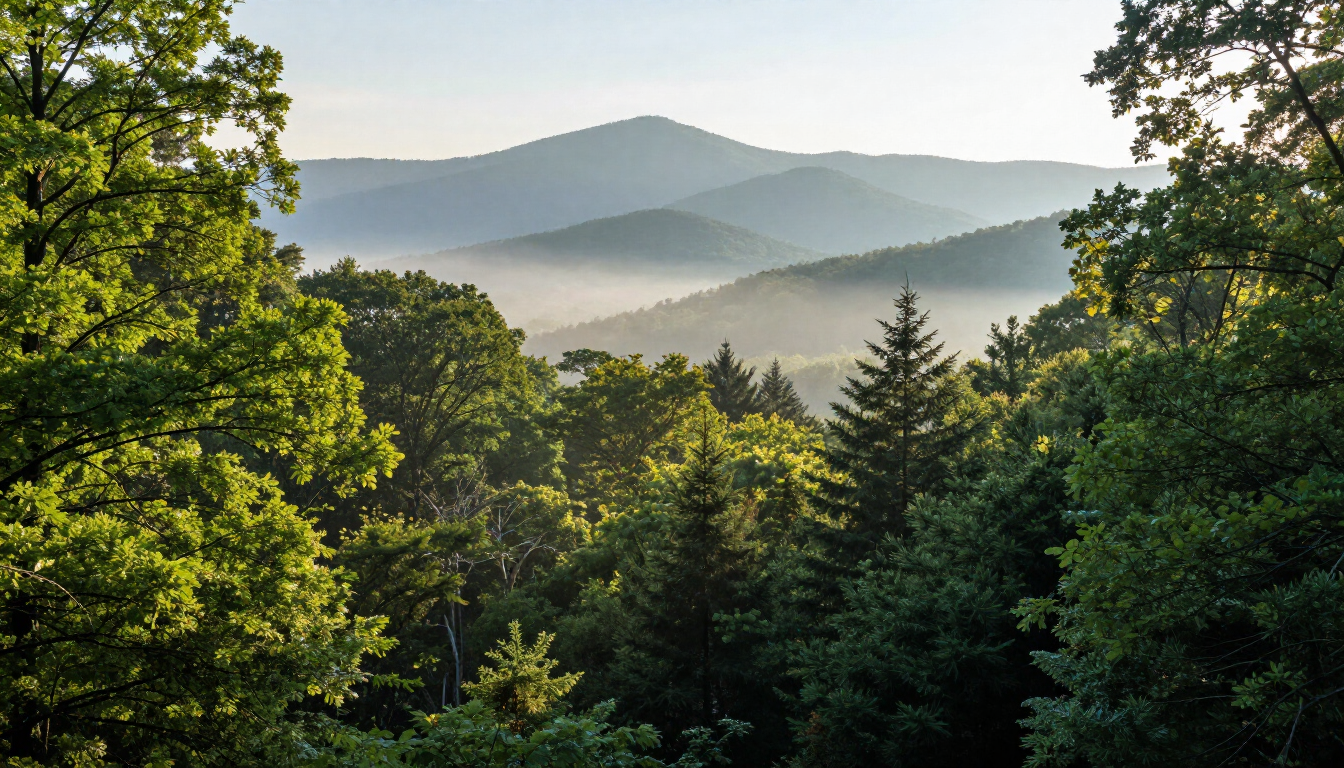
Healthy trees in the Asheville, NC landscape.
July 21, 2026
Learn to identify and treat common tree problems in Asheville, NC, from root rot to storm damage, with expert advice from Arborsmiths.
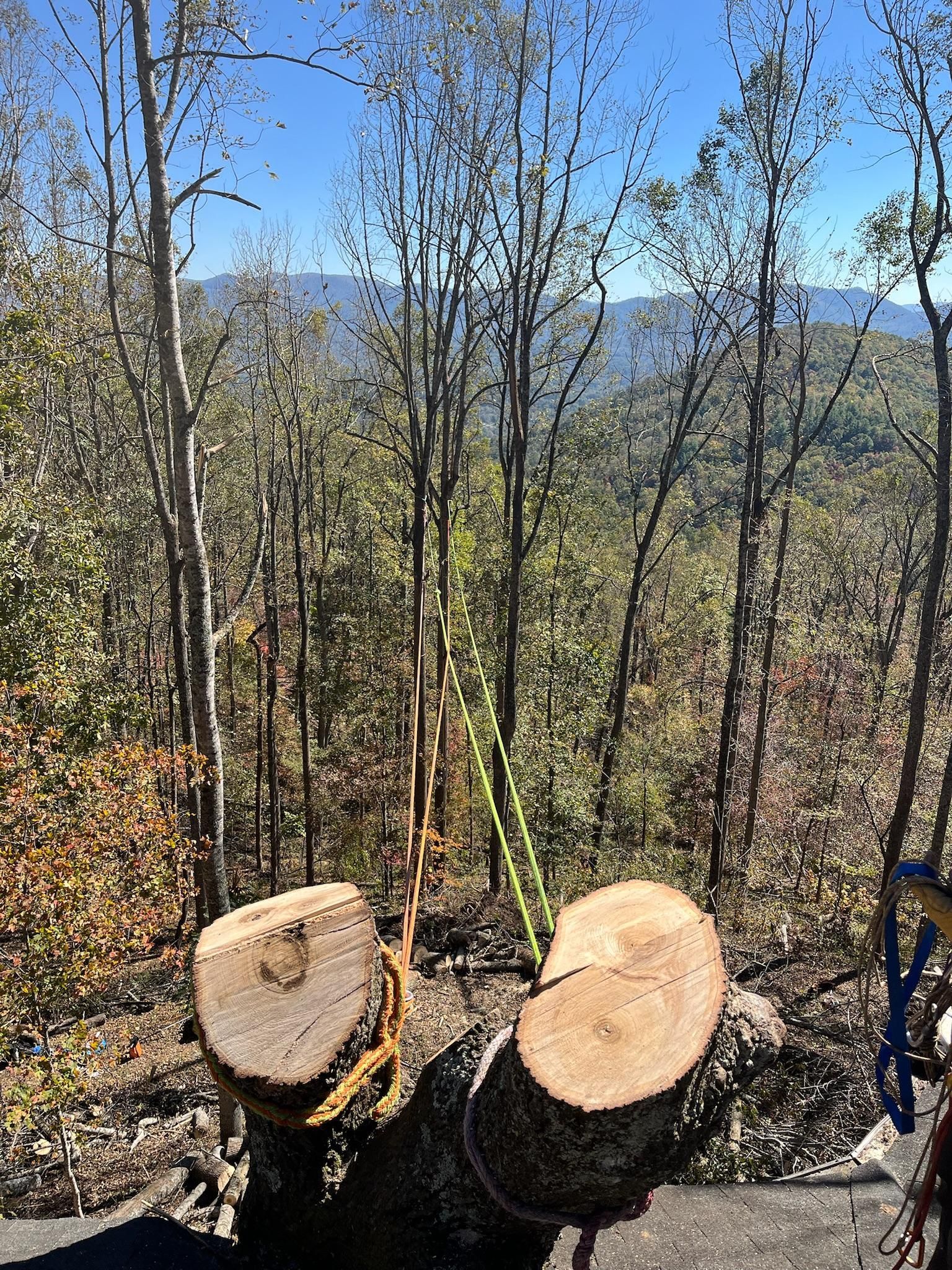
Certified arborist performing a tree risk assessment in Asheville NC
July 20, 2026
Discover what a tree risk assessment is, why it's vital for Asheville homeowners, and how certified arborists evaluate tree hazards and storm damage to keep your property safe.
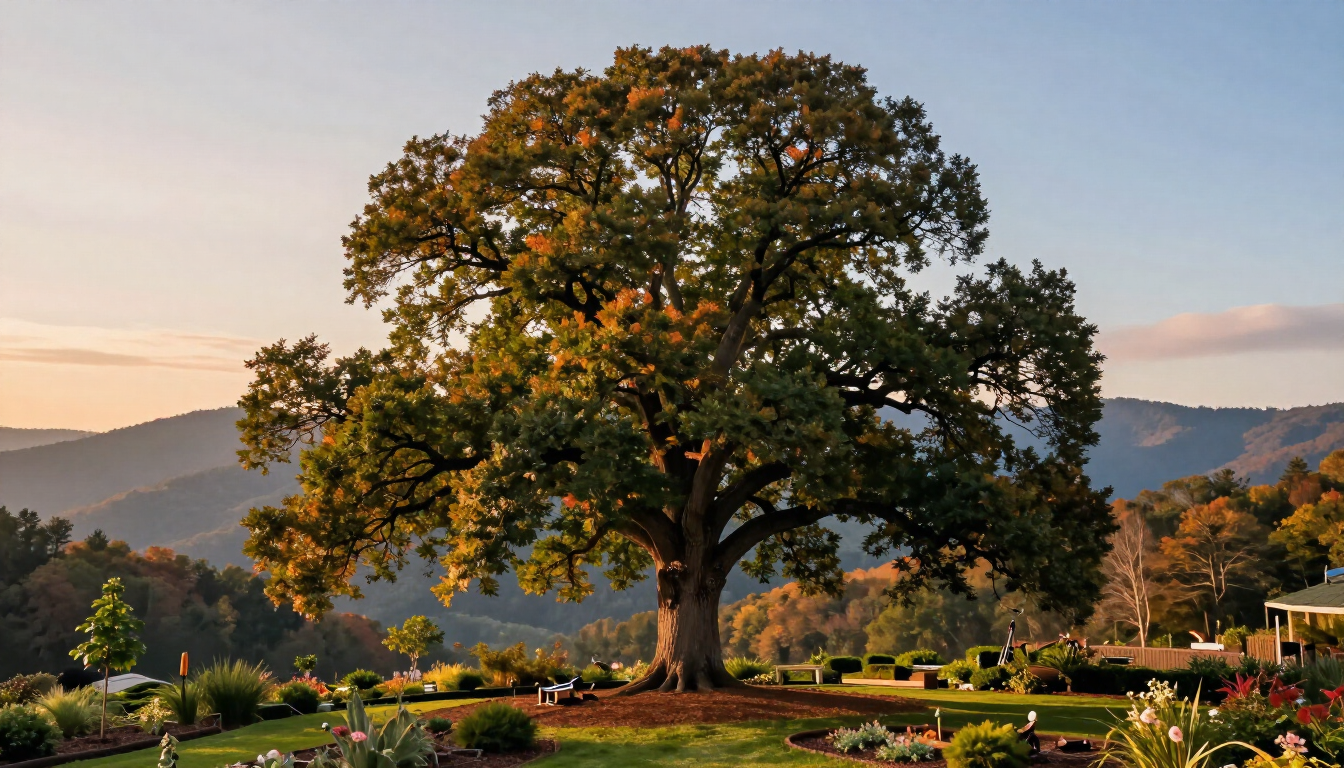
Professional tree cabling system installed in a large heritage tree canopy.
June 25, 2026
Protect your old-growth trees from storm damage. Learn how tree cabling and bracing from Asheville experts can stabilize your heritage trees and prevent failure.
Professional arborist examining a tree in Asheville.
June 8, 2026
Deciding between tree pruning and tree removal in Asheville? Learn how certified arborists like James Haddad evaluate tree health and safety to make the best choice for your property.