
How to Transplant Trees in Western NC

November 9, 2026

Share this article

Transplanting trees can preserve a valuable part of your landscape, but success depends on choosing a suitable tree, moving it during the right season, protecting enough roots, and providing consistent aftercare. In Western North Carolina, professional evaluation is especially important because steep sites, clay soils, drought, and construction damage can increase transplant stress.

Is transplanting a tree worth it?

Sometimes. Moving a tree may be worthwhile when it is healthy, structurally sound, valuable to the property, and located where construction or a landscape redesign would otherwise remove it. Transplanting is less attractive when the tree is declining, poorly rooted, too large for the available equipment, or unlikely to survive disturbance.

Homeowners in Asheville , Black Mountain , and Hendersonville should consider the tree’s condition and the new site before deciding. A tree that looks attractive above ground may have extensive roots beneath driveways, foundations, utilities, or compacted soil.

A qualified arborist can compare three options:

  • Move the existing tree.
  • Protect it in place during construction.
  • Remove it and plant a better-suited replacement.

The best choice is the one that gives the landscape a healthy, safe, sustainable tree—not simply the option that saves the most money today.

Which trees are good candidates for transplanting?

The strongest candidates are relatively young or small trees with good vigor, a manageable root system, and a clear destination with suitable soil, drainage, sunlight, and space. Species that respond reasonably well to transplanting may include some maples, river birch, dogwoods, oaks, and ornamental trees, depending on size and condition.

Species and individual trees vary considerably. A tree with trunk decay, major cavities, root damage, severe lean, girdling roots, or a history of drought stress may fail after moving even if its canopy appears healthy.

Before transplanting, evaluate:

  • Trunk and branch structure.
  • Root flare and visible root defects.
  • Pest or disease symptoms.
  • Tree size and equipment access.
  • Soil conditions at the current and new locations.
  • Clearance from buildings, wires, septic systems, and pavement.

Large mature trees are not automatically impossible to move, but the operation becomes more complex, expensive, and risky as trunk diameter and root-ball size increase. The tree may also lose a significant portion of its absorbing roots during excavation.

When is the best time to transplant trees in North Carolina?

The ideal timing is usually during dormancy, after leaf drop and before spring growth begins. In Western North Carolina, late fall through winter can reduce water loss because the tree is not actively producing leaves. Early spring may also work if the ground is workable and the tree is moved before new growth accelerates.

Avoid transplanting during hot, dry summer weather whenever possible. A leafy tree loses water quickly after root disruption, and newly cut roots cannot immediately supply the canopy. Frozen, saturated, or excessively dry soil can also make excavation and establishment more difficult.

Weather matters as much as the calendar. A professional may delay work if a site is too wet, a heat wave is approaching, or the tree cannot receive reliable irrigation after planting.

Why does root care determine transplanting success?

A tree’s fine absorbing roots are concentrated near the outer portion of the root system. Digging too close to the trunk, tearing roots with blunt equipment, or allowing the root ball to dry can remove the tissues needed to absorb water and recover.

Successful tree transplanting generally requires:

  1. Marking the root zone before digging.
  2. Excavating a wide, stable root ball appropriate to the tree’s size.
  3. Making clean cuts instead of ripping roots.
  4. Keeping the root ball intact and shaded during handling.
  5. Replanting promptly at the correct depth.
  6. Mulching the root zone without covering the trunk flare.

The new hole should be wide enough for natural root growth and no deeper than the root ball. Planting too deeply is a common mistake that can restrict oxygen, bury the root flare, and contribute to long-term decline.

For trees affected by a building or grading project, a pre-construction tree inspection can identify protection or relocation options before roots are damaged.

How does transplant stress affect a tree?

Transplant stress occurs because the tree loses roots while its canopy continues to demand water. Symptoms may appear immediately or develop over several months. Temporary leaf wilt, yellowing, premature leaf drop, reduced growth, and dieback can occur while the tree rebuilds its root system.

Stress does not always mean the transplant has failed. Recovery may take one to three growing seasons, sometimes longer for larger trees. However, worsening dieback, fungal problems, weak new growth, or declining bark health should prompt an arborist assessment.

Aftercare should include:

  • Deep, slow watering when the soil begins to dry.
  • A 2- to 3-inch layer of organic mulch over the root zone.
  • Regular checks for settling, exposed roots, pests, and disease.
  • Temporary staking only when movement threatens stability.
  • Avoidance of fertilizer unless soil testing or an arborist recommends it.
  • Protection from lawn equipment, vehicles, and additional compaction.

Do not compensate for root loss by heavily pruning a healthy tree. Removing too much canopy can reduce energy production and create additional wounds. Structural pruning should be limited to damaged or hazardous branches and handled by a qualified professional. See Tree Health Care for broader maintenance guidance.

What should homeowners do before moving a tree?

Start with a site assessment rather than digging. The assessment should compare the tree’s current location with its proposed destination and identify obstacles that could make moving unsafe or unsuccessful.

A practical planning checklist includes:

  • Confirm the tree’s species, size, health, and estimated age.
  • Locate utilities, irrigation, septic features, and drainage systems.
  • Check access for a truck, spade, crane, or other equipment.
  • Test or evaluate soil drainage and compaction.
  • Confirm the destination has enough mature-tree clearance.
  • Plan watering for the first growing seasons.
  • Obtain any required local permissions for work near public areas.

If construction is the reason for the move, protecting a tree in place may be safer than transplanting it. Post-construction tree mitigation can also help evaluate trees that have already experienced grading, root cutting, or soil compaction.

When is planting a new tree the better choice?

Planting a new tree is often better when the existing tree is unhealthy, oversized, poorly matched to the new site, or too difficult to move without excessive root loss. A replacement can be selected for the site’s mature height, canopy spread, soil, sun exposure, drought tolerance, and proximity to structures.

New trees also establish more predictably when planted correctly. They still require thoughtful species selection, proper depth, watering, mulch, and early structural training. A smaller replacement may ultimately outperform a stressed mature transplant because it can develop roots naturally in its new environment.

Compare transplanting with new planting when:

  • The tree has significant decay or root defects.
  • The new site cannot accommodate the existing root ball.
  • Equipment access would damage the property.
  • The tree’s mature size conflicts with buildings or utilities.
  • The cost of moving and maintaining it approaches replacement cost.

Explore professional tree planting and transplanting services before committing to either option.

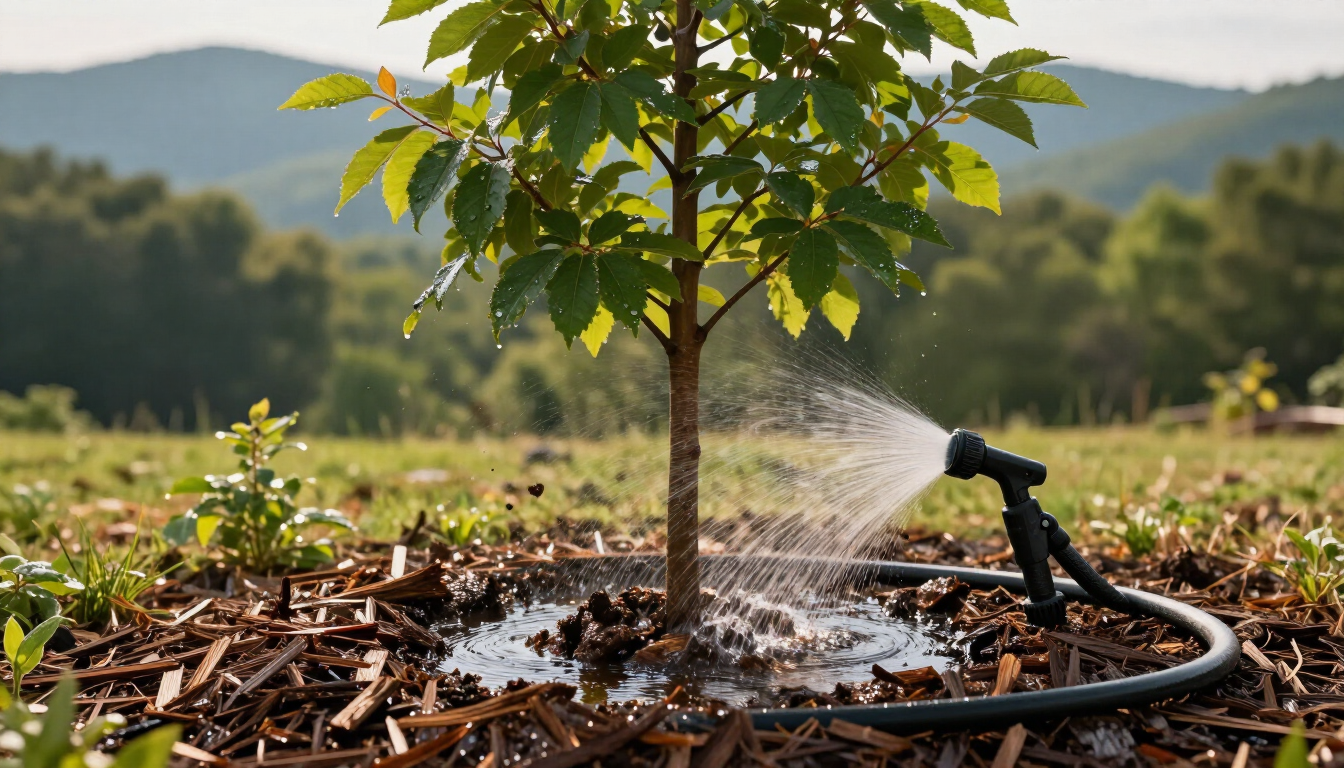
Healthy newly planted tree receiving careful establishment care

Frequently asked questions

Can any tree be transplanted?

No. Health, size, species, root condition, access, season, and the destination site all affect feasibility. An arborist should inspect the tree before work begins.

How long does a transplanted tree need special care?

Plan on close monitoring through at least the first two growing seasons. Larger trees may need supplemental watering and evaluation for several years.

Should I prune a tree before transplanting it?

Usually not heavily. Excessive pruning can add stress. Remove only dead, damaged, or hazardous branches unless a professional develops a specific plan.

Is winter always the best time in Asheville?

Dormancy is often preferred, but soil moisture, temperature, access, and tree condition matter. Local conditions in Asheville, Black Mountain, and Hendersonville can differ by elevation and site.

The practical decision

Transplanting trees can preserve a healthy, established feature during a yard redesign or construction project, but it is not a guaranteed shortcut. Choose a manageable, vigorous tree; move it during suitable dormant conditions; protect the root ball; and plan for consistent watering and monitoring. If the tree is declining, too large, poorly located, or likely to lose most of its roots, planting a new tree may be the wiser investment. Arborsmiths of Asheville can evaluate your property and explain the safest option. Call (828) 519-5577 to discuss tree transplanting in Western North Carolina.

Recent Posts

Ice and heavy snow damage trees in Western North Carolina
October 26, 2026
Learn how ice and heavy snow damage trees in Asheville, Waynesville, and Marshall—and how pruning, cabling, and safe storm response can reduce risk.
Winter tree pruning in Asheville helps arborists see branch structure and protect tree health.
October 12, 2026
Learn why winter tree pruning can benefit mature trees in Asheville, Fairview, and Arden, including lower stress, clearer structure, and healthier spring growth.
Fall tree planting in Asheville with a newly planted tree
September 29, 2026
Learn why fall is the best time to plant trees in Asheville and Western NC, plus tips for tree selection, planting depth, and first-year watering.
Professional tree inspection at an Asheville construction site
September 14, 2026
Protect your property value. Learn why a pre-construction tree inspection is vital for Asheville homeowners before building or renovating in Western NC.
September 9, 2026
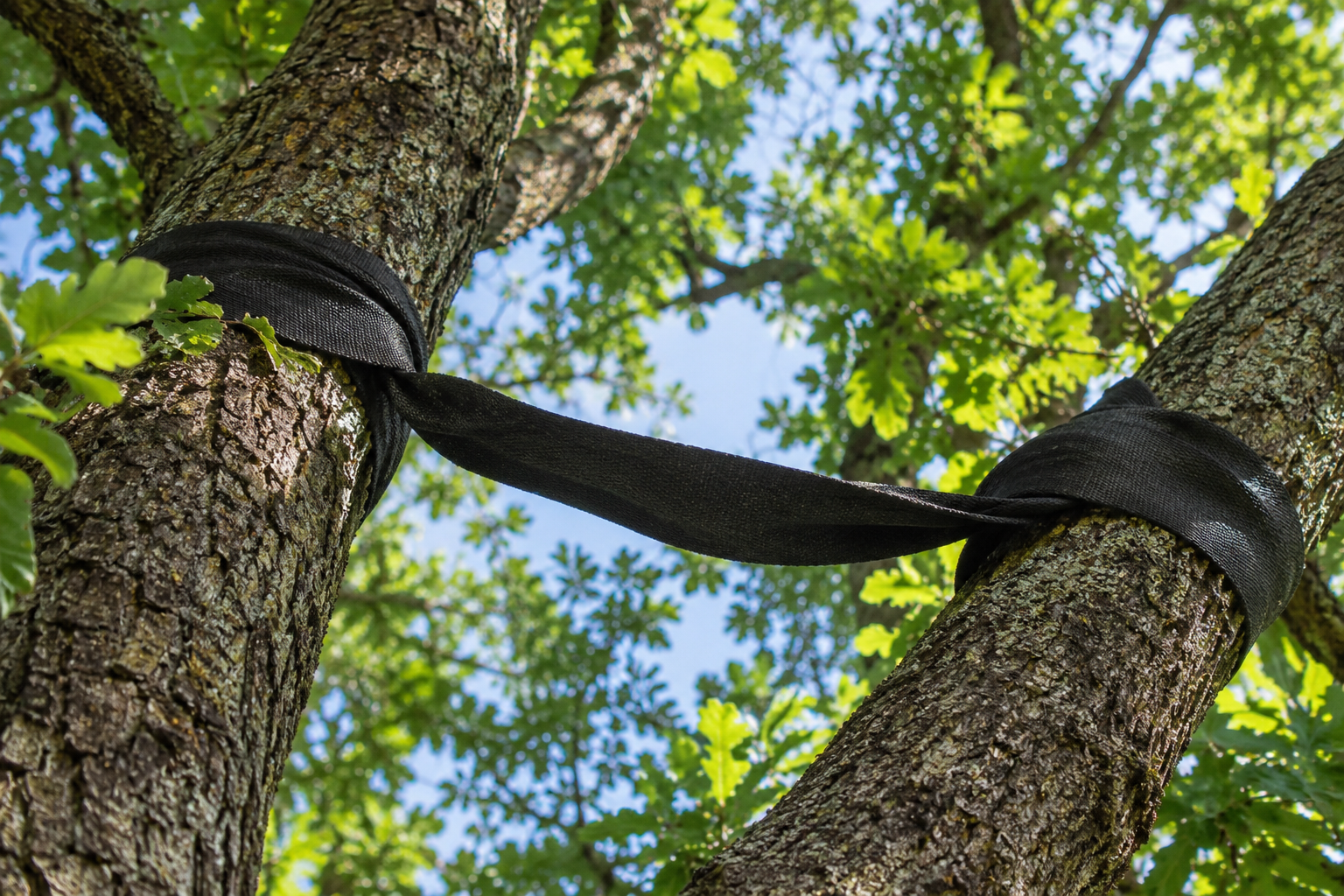
At Arborsmiths Asheville, we practice what we call Relational Tree Care. That means beginning with a simple premise: a tree is not an object we manage. It is a living organism we enter into relationship with. A mature tree is continuously responding to wind, weather, soil, injury, decay, competition, pruning and its own growth. Good arboriculture requires understanding those relationships and intervening in ways that preserve as much of the tree's own biological and structural capacity as possible.
Professional arborist assessing emergency tree damage in Asheville NC
August 31, 2026
Learn what to do after a tree falls on your Asheville property. Follow our safety guide and know when to call an emergency tree service arborist.
A healthy young oak tree planted in an Asheville residential yard.
August 17, 2026
Discover the best trees to plant in Western North Carolina. Our certified arborist shares the top native species that thrive in Asheville's mountain climate and soil.

Healthy trees in Western North Carolina landscape
August 3, 2026
Restore your property's value. Learn how WNC arborists treat soil compaction, nutrient loss, and flooding damage to save your trees in Asheville, Weaverville, and Fairview.
Healthy trees in the Asheville, NC landscape.
July 21, 2026
Learn to identify and treat common tree problems in Asheville, NC, from root rot to storm damage, with expert advice from Arborsmiths.
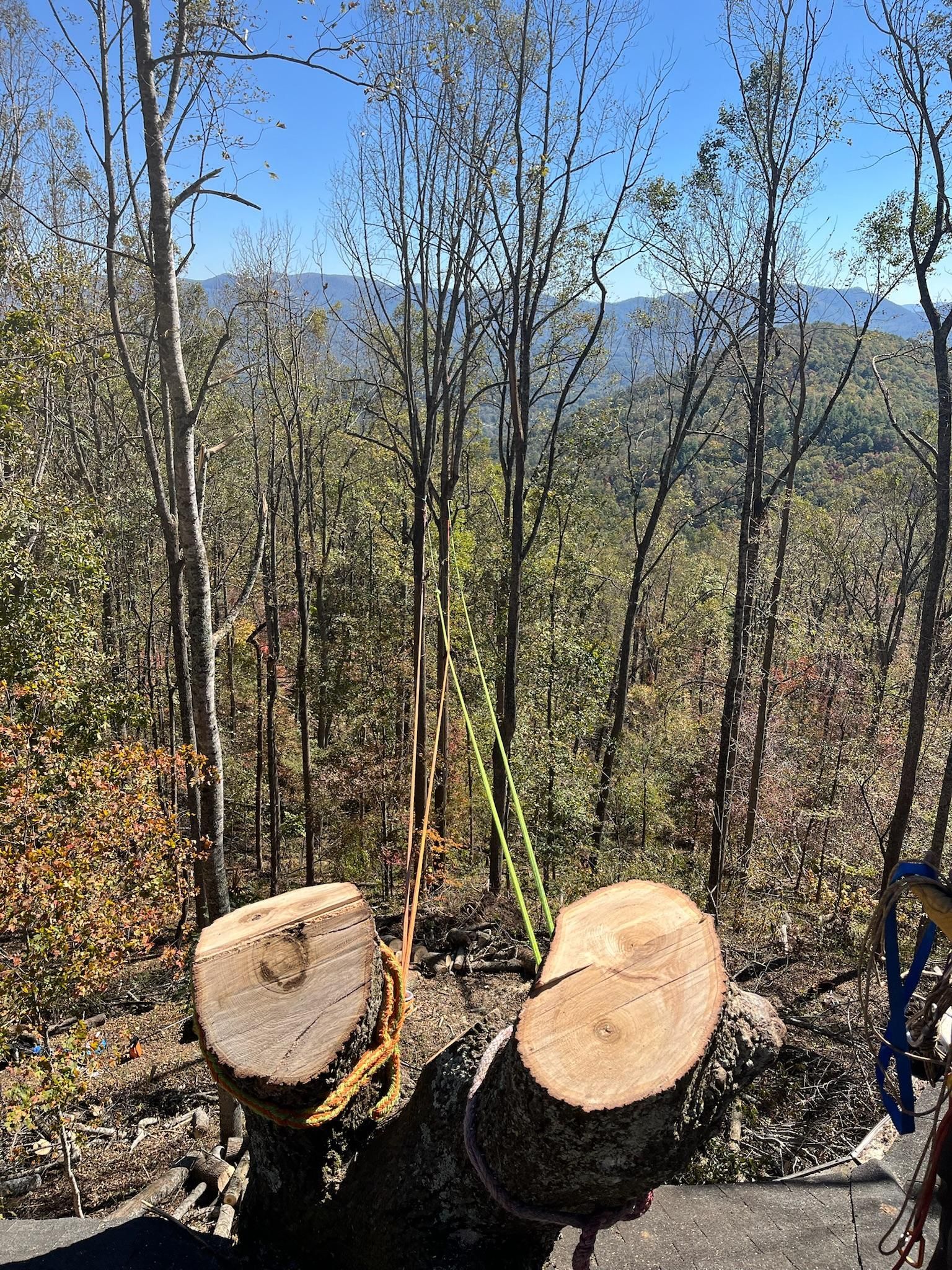
Certified arborist performing a tree risk assessment in Asheville NC
July 20, 2026
Discover what a tree risk assessment is, why it's vital for Asheville homeowners, and how certified arborists evaluate tree hazards and storm damage to keep your property safe.
Show More