What is a Tree Risk Assessment? 5 Ways to Protect Your Home
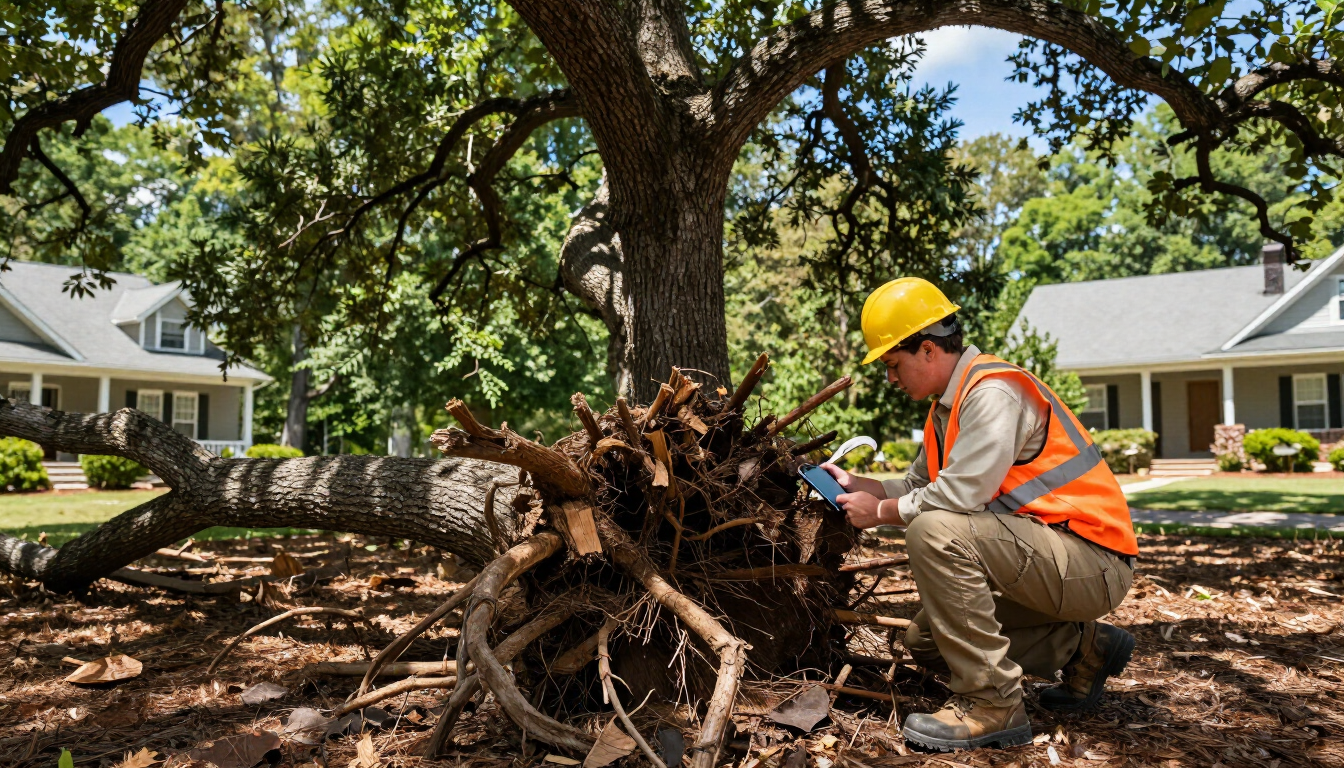
A tree risk assessment is a systematic process where a certified arborist evaluates a tree’s structural integrity and its potential to fail. It involves identifying specific hazards—such as trunk decay or root damage—that could harm people or property, especially after storms, helping homeowners make informed safety decisions.
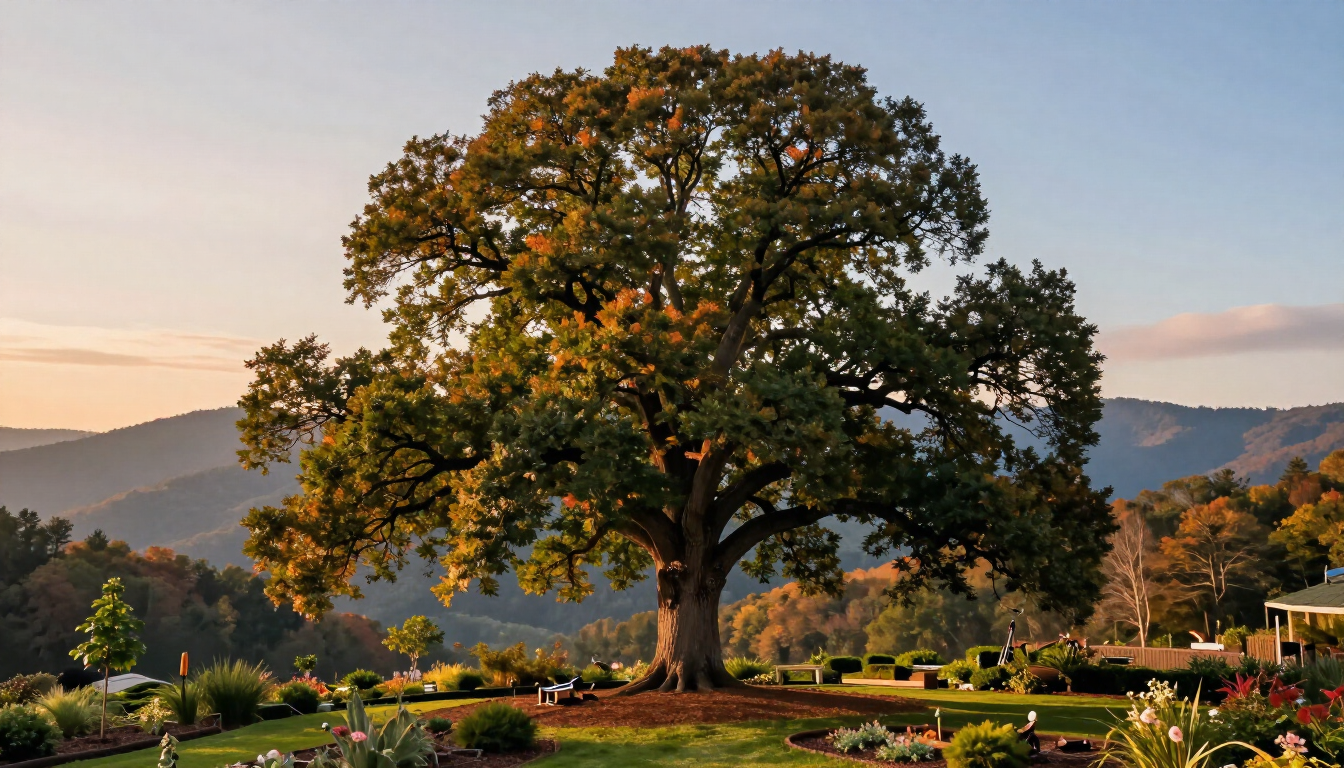
Living in Western North Carolina means enjoying some of the most beautiful, mature tree canopies in the country. From the towering oaks of Asheville, NC to the ancient hemlocks in Black Mountain, NC , our landscape is defined by its greenery. However, with great beauty comes the responsibility of maintenance. Large trees are subject to immense physical stress from wind, heavy snow, and saturated soils. A professional tree risk assessment isn't just a cursory glance at a trunk; it is a technical evaluation designed to protect your home, your family, and your investment in your landscape.
Why is a tree risk assessment important for Asheville homeowners?
Asheville’s unique topography and weather patterns make tree health a top priority for local residents. Our region experiences high-intensity wind events and heavy precipitation that can weaken even the sturdiest species. An assessment provides a clear, objective analysis of the likelihood of a tree or a specific branch failing and hitting a "target," such as a house, power line, or walkway. Without this professional insight, many homeowners either worry unnecessarily about healthy trees or, conversely, ignore dangerous defects that are invisible to the untrained eye.
Professional assessments also serve as vital documentation for insurance purposes. Should a storm cause damage, having a recent report from a certified arborist showing that you have exercised due diligence in maintaining your property can be invaluable. It shifts the narrative from negligence to an "act of God," ensuring your claims are handled fairly. More importantly, it allows for proactive care. Identifying a crack or fungal growth early can often lead to preservation through tree cabling and bracing rather than the total loss of a beloved tree.
The Arborsmiths Approach to Property Safety
At Arborsmiths of Asheville, led by James Haddad, we view every tree as a complex living organism. Our approach to safety combines 25+ years of experience with modern arboricultural science. We don’t just look for what is wrong; we look for the biological potential of the tree to heal and stabilize itself. Our goal is long-term vitality, ensuring that the trees on your Hendersonville, NC property remain assets rather than liabilities.
We utilize the International Society of Arboriculture (ISA) standards for risk assessment. This standardized language ensures that our findings are clear, reproducible, and based on hard data. We examine the crown for dieback, the trunk for cavities and seams, and the root flare for signs of decay or heaving. By evaluating these three zones, we can provide a comprehensive picture of the tree's health and structural stability. This thoroughness is what sets a certified arborist apart from a general handyman or a standard landscaping crew.
When should you schedule a professional tree inspection?
Homeowners should ideally schedule a tree health care evaluation once a year, but certain triggers necessitate an immediate risk assessment. If you notice any of the following, it is time to call in a professional:
- Visible Cracks or Seams: Deep splits in the trunk or at the junction of major limbs.
- Recent Storm Damage: Broken hanging limbs (widow-makers) or a newly developed lean.
- Fungal Growth: Mushrooms or conks growing at the base of the tree or on the trunk.
- Heaving Soil: Earth lifting on one side of the tree, suggesting root failure.
- Dead Wood: Large branches without leaves or bark that could fall at any time.
Timing is critical. In Western North Carolina, the change of seasons often brings surprises. Late spring storms and early winter ice can put extreme weight on branches. Scheduling an assessment before these peak seasons allows you to address vulnerabilities when it is most convenient and often most cost-effective. Waiting until a limb is resting on your roof transforms a preventable maintenance task into a high-stakes emergency tree service .
Understanding Level 1, 2, and 3 Tree Risk Assessments
Not every tree requires the same depth of investigation. Arborists use three levels of assessment to match the complexity of the situation.
- Level 1: Limited Visual Assessment: A quick walk-by or drive-by to identify obvious hazards in a large population of trees.
- Level 2: Basic Assessment: A 360-degree ground-based visual inspection of the individual tree and its surrounding site.
- Level 3: Advanced Assessment: The use of specialized tools, such as resistograph testing or aerial inspections, to look inside the trunk or high into the canopy.
Most residential needs are met with a Level 2 assessment. During this process, we walk around the entire tree, checking the root collar (often by clearing away excess mulch) and using a sounding mallet to check for internal hollows. If we find something concerning during a Level 2, we may recommend a Level 3 to determine the exact extent of decay. This tiered system ensures you only pay for the level of detail required to make a safe decision.
How do certified arborists evaluate hidden tree hazards?
Evaluation is part detective work and part biological science. One of the most common hidden hazards is "included bark," where two stems grow so closely together that bark is trapped between them, preventing a strong wood-to-wood connection. To the untrained eye, these appear as a single thick trunk, but to an arborist, they represent a major failure point. We also look for "v-shaped" crotches, which are significantly weaker than "u-shaped" ones.
Root health is another area where hazards hide. Because roots are underground, we must look for secondary signs of trouble. This includes looking for "girdling roots" that wrap around the trunk and slowly choke the tree, or examining the canopy for "chlorosis" (yellowing leaves), which can indicate that the roots are no longer effectively transporting nutrients. In Asheville’s clay-heavy soils, root rot can develop quickly if drainage is poor, leading to a tree that looks healthy above ground but has no foundation below.
Common Solutions for Managing High-Risk Trees
Once a risk is identified, removal is not always the only answer. Our philosophy at Arborsmiths is to preserve whenever safely possible. Depending on the findings of the assessment, we may recommend:
- Target Removal: Moving a target (like a shed or a bench) so the tree no longer poses a threat.
- Strategic Pruning: Removing specific heavy limbs to balance the tree and reduce wind resistance.
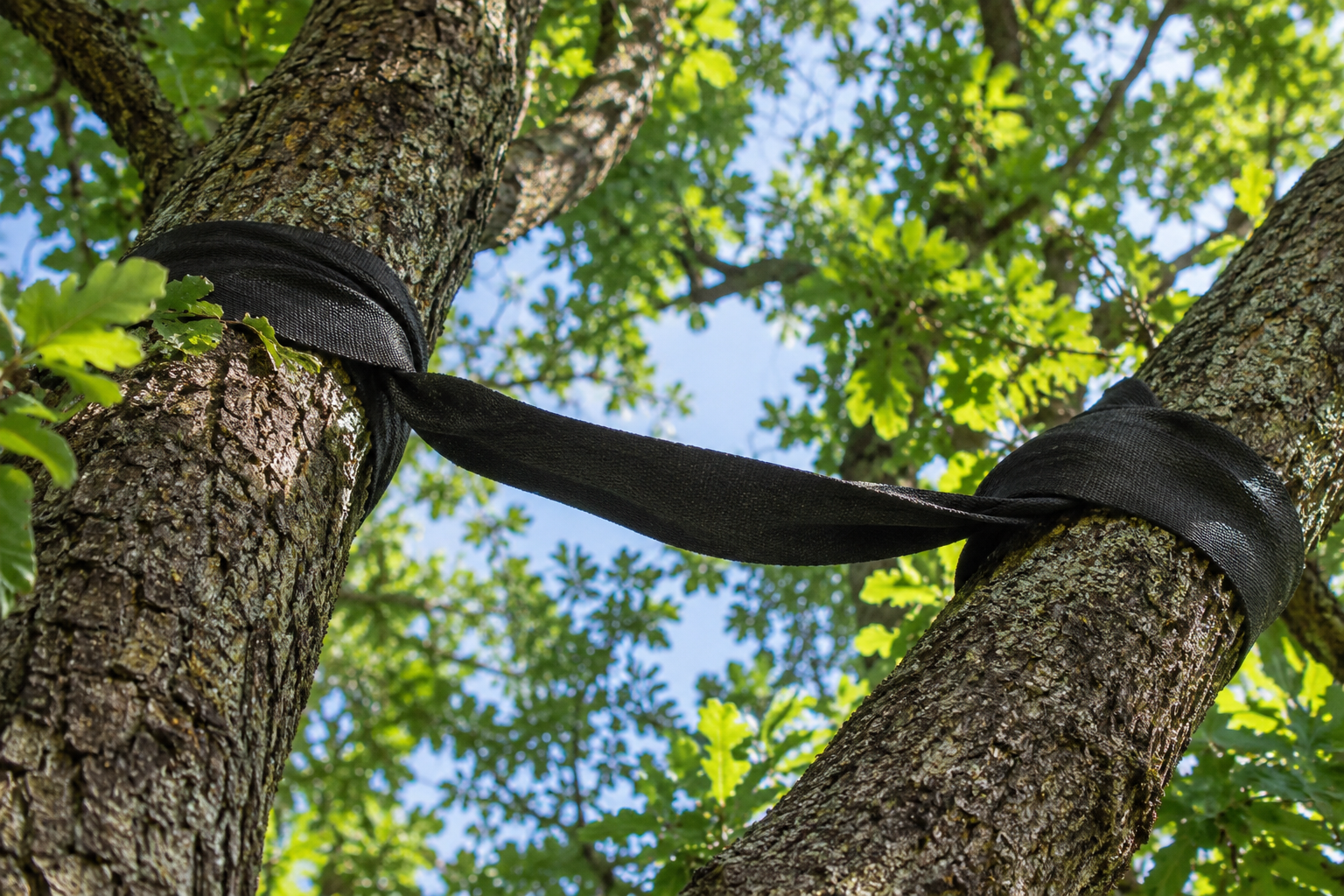
- Cabling and Bracing: Installing hardware to support weak crotches or heavy limbs.
- Soil Mitigation: Improving root health to help the tree naturally stabilize itself.
- Tree Removal: If the risk is too high and cannot be mitigated, tree removal is the final, safest option.
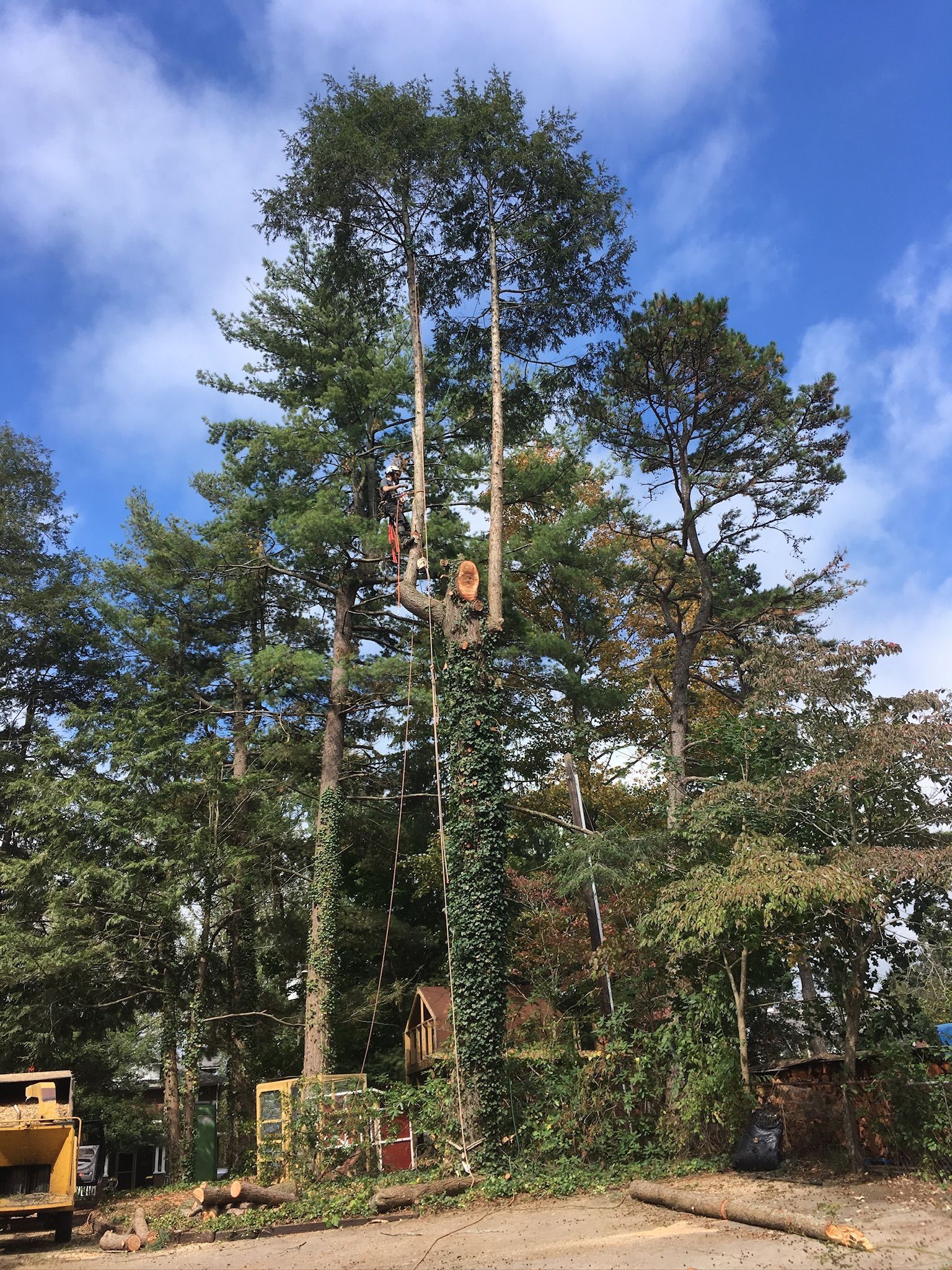
Pruning is often the most effective tool in our kit. By performing professional tree pruning and trimming , we can take the "weight" off a structural defect. This reduces the mechanical leverage that wind or snow exerts on the weak point, significantly lowering the likelihood of failure. This proactive approach keeps your landscape intact while ensuring your home remains out of harm’s way.
What are the primary signs of tree failure after a storm?
Post-storm inspections are perhaps the most common reason homeowners seek an assessment. After a significant weather event in Asheville, you should do a visual sweep of your property. Look for "hangers"—branches that have snapped but are still caught in the upper canopy. These are extremely dangerous because they can fall without warning even on a calm day.
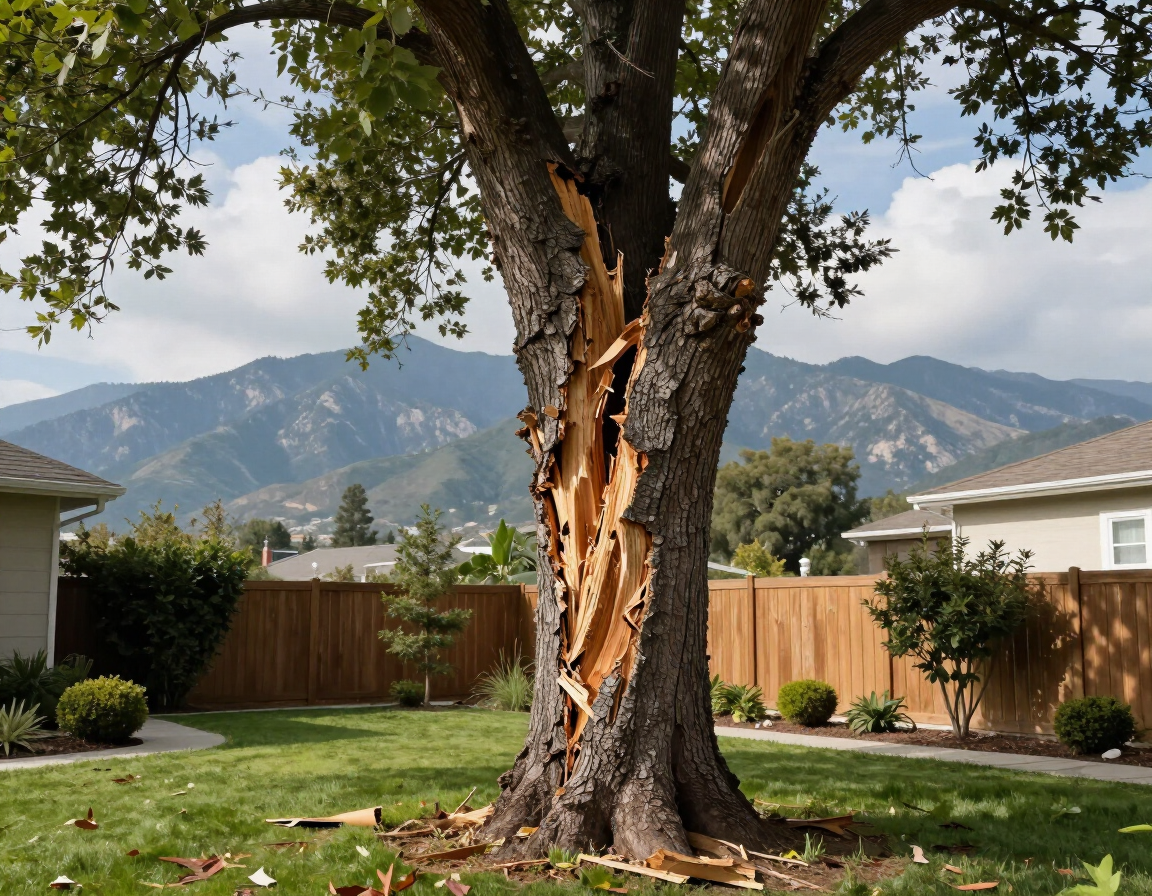
Check for fresh cracks in the soil around the base of the tree. If you see light-colored soil or roots exposed that weren't there before, the tree may be in the process of tipping. This is a critical emergency. Furthermore, look for "lightning strikes," which often appear as a vertical strip of missing bark running down the trunk. While a lightning strike doesn't always kill a tree immediately, it creates a massive wound that invites pests and decay. Early intervention after a strike can sometimes save the tree through specialized fertilization and pest management.
Protecting Your Asheville Landscape for the Future
A tree risk assessment is the foundation of responsible property ownership in Western North Carolina. By understanding the health of your trees, you move from a state of reaction to a state of stewardship. You protect your family from the sudden danger of falling limbs and protect your financial assets from the high costs of property damage. Whether you are in Fairview , Weaverville , or downtown Asheville, the experts at Arborsmiths are here to help.
Core Takeaways for Homeowners:
- Assessments are Scientific: They use standardized ISA methods to calculate the likelihood of failure and impact.
- Annual Checks are Best: Schedule an inspection yearly or immediately after any major storm event.
- Preservation is the Goal: Many "hazardous" trees can be saved with cabling, bracing, or strategic pruning.
- Safety First: Never attempt to inspect high-up damage yourself; always use a certified professional with proper safety gear.
Don't wait for the next storm to test the strength of your trees. If you have concerns about a leaning tree, dead branches, or recent storm damage, reach out to the pros. For a professional evaluation and peace of mind, contact us today to schedule your comprehensive tree risk assessment with our expert team.