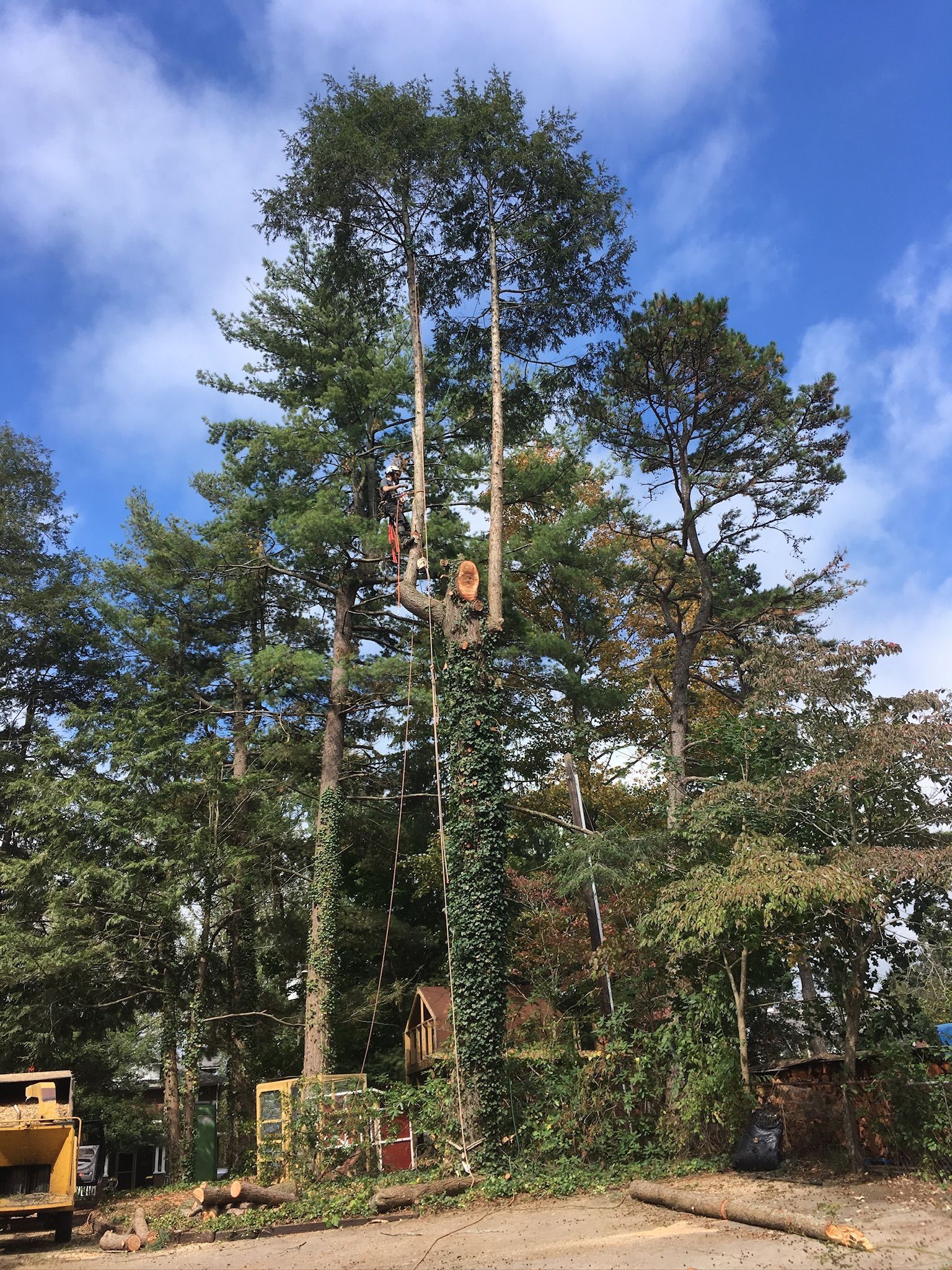
Tree Cabling and Bracing: Save Heritage Trees in WNC

June 25, 2026

Share this article

Tree cabling and bracing is a professional support system that uses high-strength cables or steel rods to stabilize trees with structural defects. By redistributing weight and limiting branch movement, these systems prevent limb failure, protecting property and preserving mature heritage trees throughout the Western North Carolina landscape.

What is tree cabling and bracing?

Tree cabling and bracing involve the installation of supplemental support hardware in a tree's canopy or trunk. This is not a way to "fix" a broken tree, but rather a proactive strategy used to reduce the risk of structural failure in healthy but physically compromised specimens.

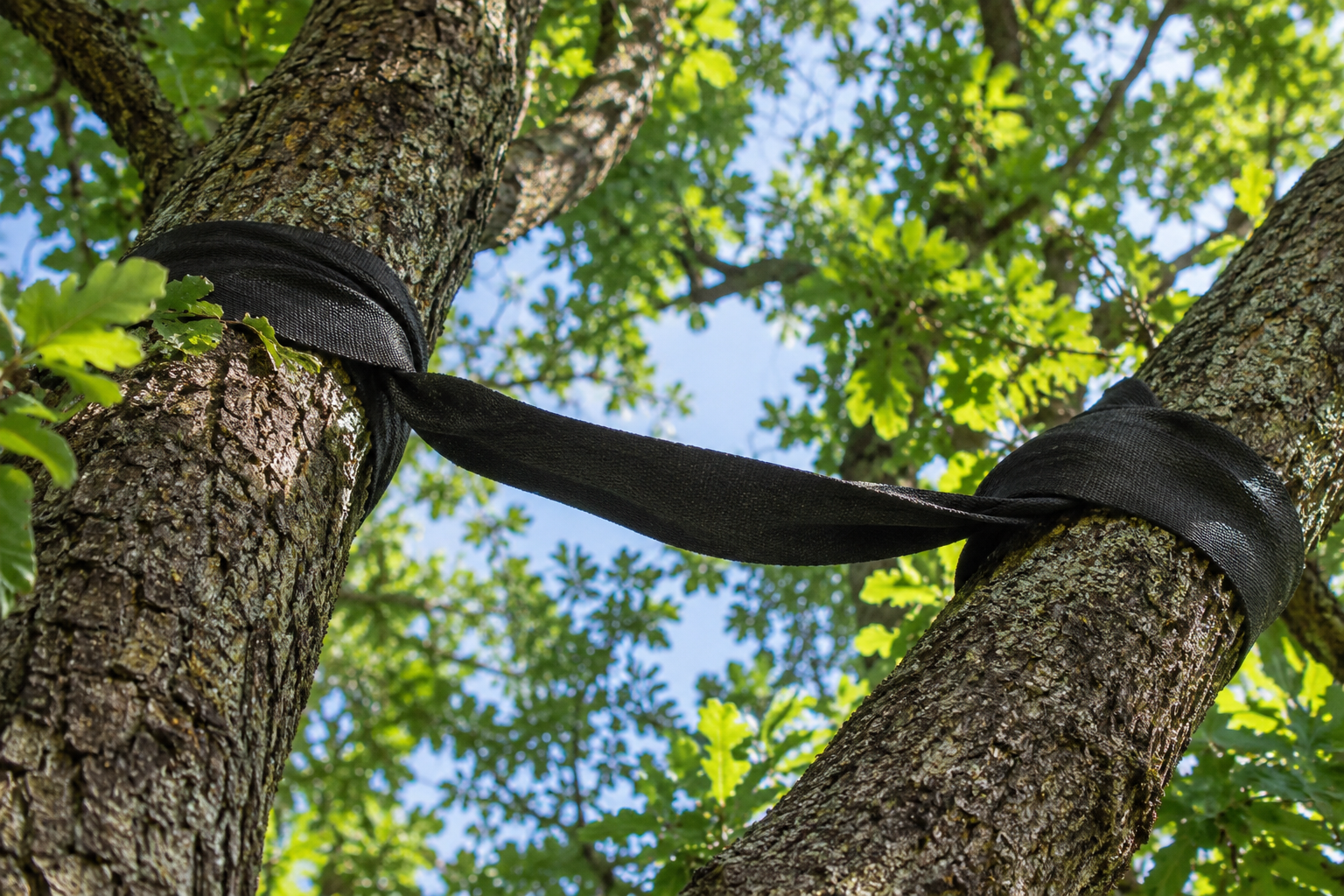
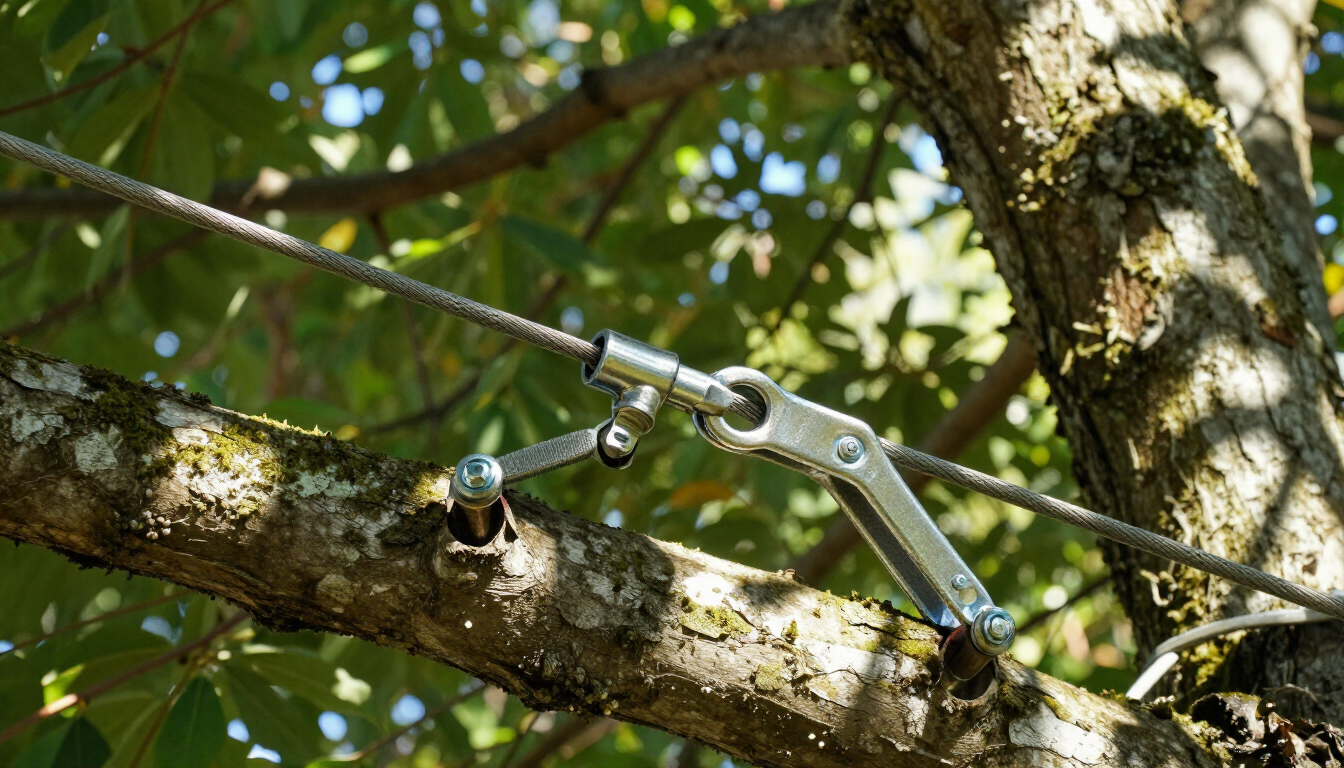
Cabling typically uses extra-high-strength (EHS) steel cables or dynamic synthetic fibers installed high in the canopy between two or more large stems. These cables limit the distance that branches can move independently during high winds. Bracing, on the other hand, involves the insertion of threaded steel rods (brace rods) through a tree's trunk or a split crotch to provide rigid support.

At Arborsmiths of Asheville, we focus on these techniques as part of a comprehensive Tree Health Care plan. When dealing with heritage trees—those massive oaks, maples, and poplars that define our local landscapes—the goal is always preservation over removal. These systems allow us to manage the inherent risks of large trees while keeping them a part of your property for decades to come.

How does cabling save heritage trees in Western NC?

Western North Carolina presents a unique set of challenges for mature trees. Our topography in Asheville, NC and surrounding areas like Hendersonville, NC means trees are frequently exposed to high-velocity winds, heavy ice storms, and wet, heavy snowfall. Heritage trees, which have stood for 50, 100, or even 200 years, often develop structural imbalances as they grow toward the light or respond to past storm damage.

Common issues in our region include co-dominant stems—where two large trunks grow from the same point in a 'V' shape. These joints are notoriously weak and prone to splitting. When a heavy summer thunderstorm or a winter ice load puts pressure on these stems, the tree is at high risk of catastrophic failure. By installing a cabling system, we essentially tie those stems together, allowing them to support one another and move as a single unit rather than fighting against each other.

5 Signs Your Mature Tree Needs Support

If you own a property with large, older trees, you should regularly inspect them for signs of physical stress. While some issues are obvious, others require the trained eye of a professional during a Tree Risk Assessment . Here are five common indicators:

  • V-Shaped Crotches: Stems that join in a tight 'V' rather than a wide 'U' often have included bark, making the union structurally weak.
  • Visible Cracks: Any vertical crack running down the main trunk or through a major limb union is a sign of immediate stress.
  • Overextended Limbs: Massive, heavy branches that grow horizontally far away from the trunk are subject to immense leverage during wind or snow.
  • Heaving Soil: If the ground at the base of the tree is lifting on one side, it may indicate a root issue or a dangerous lean.
  • Past Storm Damage: If a tree has already lost one major limb, the remaining canopy may be imbalanced and prone to further failure.
Tree Support Hardware Detail

Choosing the Right Tree Support System

Not every tree requires the same solution. In fact, installing the wrong type of support can sometimes do more harm than good by making the tree too rigid or by creating new points of stress. The choice between cabling and bracing—or a combination of both—depends on the specific physics of the tree.

Cabling (Flexible Support): Cables are typically installed about two-thirds of the way up the canopy. This placement provides maximum leverage to prevent the stems from spreading too far apart. Modern dynamic cabling systems even allow for some natural movement, which is critical because a tree needs to "feel" the wind to grow stronger wood (a process called thigmomorphogenesis).

Bracing (Rigid Support): When a tree already has a split or a very large, heavy union that is failing, brace rods are used. These rods go through the trunk to bolt the sections together. This is a much more invasive process than cabling and is usually reserved for the most critical structural defects where the goal is to stop the expansion of an existing crack.

Why hire a certified arborist for cabling?

Many homeowners are tempted to try a "DIY" cable solution using hardware store rope or chains. This is extremely dangerous for both the homeowner and the tree. Incorrectly installed hardware can girdle the tree, cutting off its nutrient flow, or it can provide a false sense of security while the tree continues to fail internally.

As a certified arborist with over 25 years of experience, James Haddad and the Arborsmiths team understand the biological and mechanical needs of trees. We use specialized, high-grade materials designed to last and follow strict industry standards (ANSI A300) for installation. This ensures that the hardware doesn't introduce decay or unnecessary stress. Furthermore, a professional can determine if the tree is even a candidate for support; sometimes, unfortunately, Tree Removal is the only safe option if the internal decay is too advanced.

Maintenance and Long-Term Care

Once a cabling or bracing system is installed, it is not a "set it and forget it" solution. Trees are living organisms that continue to grow and change. Over time, the tree will grow around the hardware, and the tension in the cables may need adjustment.

We recommend that any tree with supplemental support be re-inspected every 1 to 3 years, and especially after major weather events. Our team provides ongoing monitoring to ensure the system remains effective. This long-term relationship with your trees is the cornerstone of heritage tree preservation. By catching minor adjustments early, we can prevent the need for more drastic measures later on.

For residents in areas like Arden, NC or Waynesville, NC , where the winds can be particularly harsh on the ridges, these inspections are a vital part of property maintenance. Your heritage trees are an asset that adds value to your home and character to our beautiful mountains. Protecting them is an investment in the future of our local environment.

Essential Takeaways for Heritage Tree Care

Protecting the ancient giants on your property requires a blend of science and specialized hardware. If you are concerned about the structural integrity of your trees, keep these points in mind:

  • Cabling prevents failure: It redistributes weight to stabilize weak limbs and co-dominant stems.
  • Bracing provides rigidity: Threaded rods help close cracks and support heavily split trunks.
  • Professionalism is key: Only a certified arborist should install these systems to ensure tree health and human safety.
  • Regular inspections are mandatory: Support systems must be checked periodically to account for new growth and environmental stress.
  • Preservation is possible: Many trees that look "dangerous" can be safely managed with the right structural support plan.

If you have an old-growth tree that looks a bit shaky or has sustained damage in a recent storm, don't wait for the next big wind to blow through. Proactive care is much more cost-effective than emergency cleanup. Contact Us today at Arborsmiths of Asheville to schedule a consultation and see if tree cabling and bracing can help preserve your heritage trees for the next generation.

Recent Posts

Certified arborist performing a tree risk assessment in Asheville NC
July 21, 2026
Discover what a tree risk assessment is, why it's vital for Asheville homeowners, and how certified arborists evaluate tree hazards and storm damage to keep your property safe.
Healthy trees in the Asheville, NC landscape.
July 21, 2026
Learn to identify and treat common tree problems in Asheville, NC, from root rot to storm damage, with expert advice from Arborsmiths.
Professional arborist examining a tree in Asheville.
June 8, 2026
Deciding between tree pruning and tree removal in Asheville? Learn how certified arborists like James Haddad evaluate tree health and safety to make the best choice for your property.